

AI
10. October 2025
8 techniques that reduce errors in AI content and save you time
If AI has become a regular part of your content production, you have undoubtedly experienced struggling to get it to deliver a usable result. Here are 8 practical techniques that reduce errors, improve quality, and cut the time you spend editing your AI texts.

Content
Download template 1. Define role 2. What if-instructions 3. Include authority 4. Set rules 5. Use examples 6. Prioritize content 7. Control prombt 8. Brand guidelinesWhy read this post
Tell me if you recognise this situation:
You get a draft from your AI assistant, and before you know it, you have spent 20 minutes editing, rewriting, and prompting back and forth—until you think: “I might as well have written it myself.”
Yep… that is why you should keep reading. We can save you a lot of time.
Download template for this prompt
1. Define role and context clearly
Tell the AI who it should be and what it should base its output on.
Examples:
- “You are an experienced content manager with 8 years of experience in SaaS marketing.”
- “You are an SEO specialist who writes easy-to-read blog posts for a Danish B2B audience.”
Why it works:
The AI delivers more targeted copy from the outset, so you avoid having to rewrite generic text that does not fit your audience anyway.
2: Create “if-then” instructions
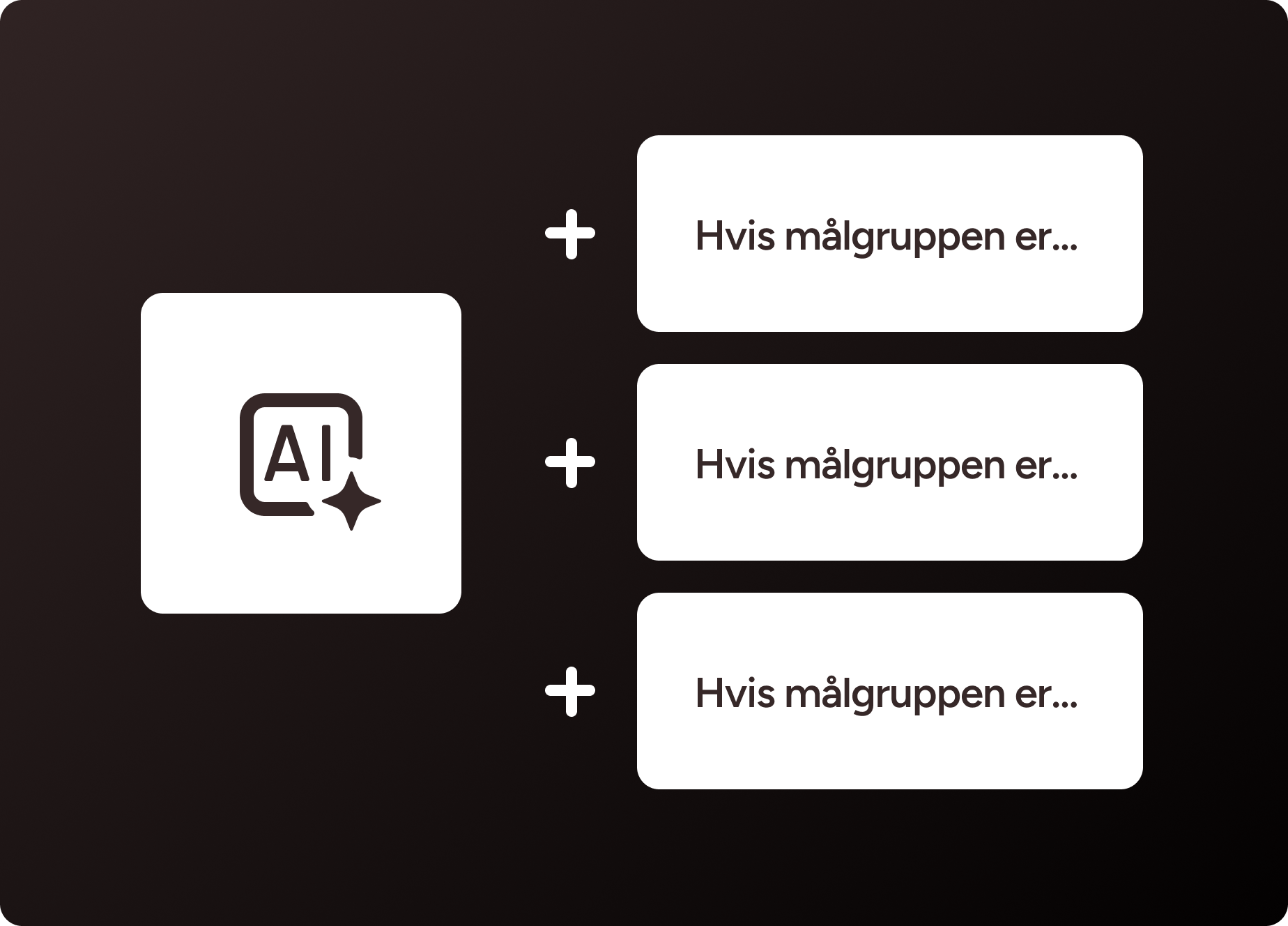
Create simple “if-then” instructions so the AI shifts focus depending on the audience:
- “If the audience is CFOs, focus on ROI and cost savings.”
- “If the audience is IT managers, focus on technical implementation and security.”
What you get out of it
You get content that hits the mark across audiences without having to start over every time (especially useful in a custom GPT, where you can build the logic in once and for all).
3: Include multiple professional perspectives
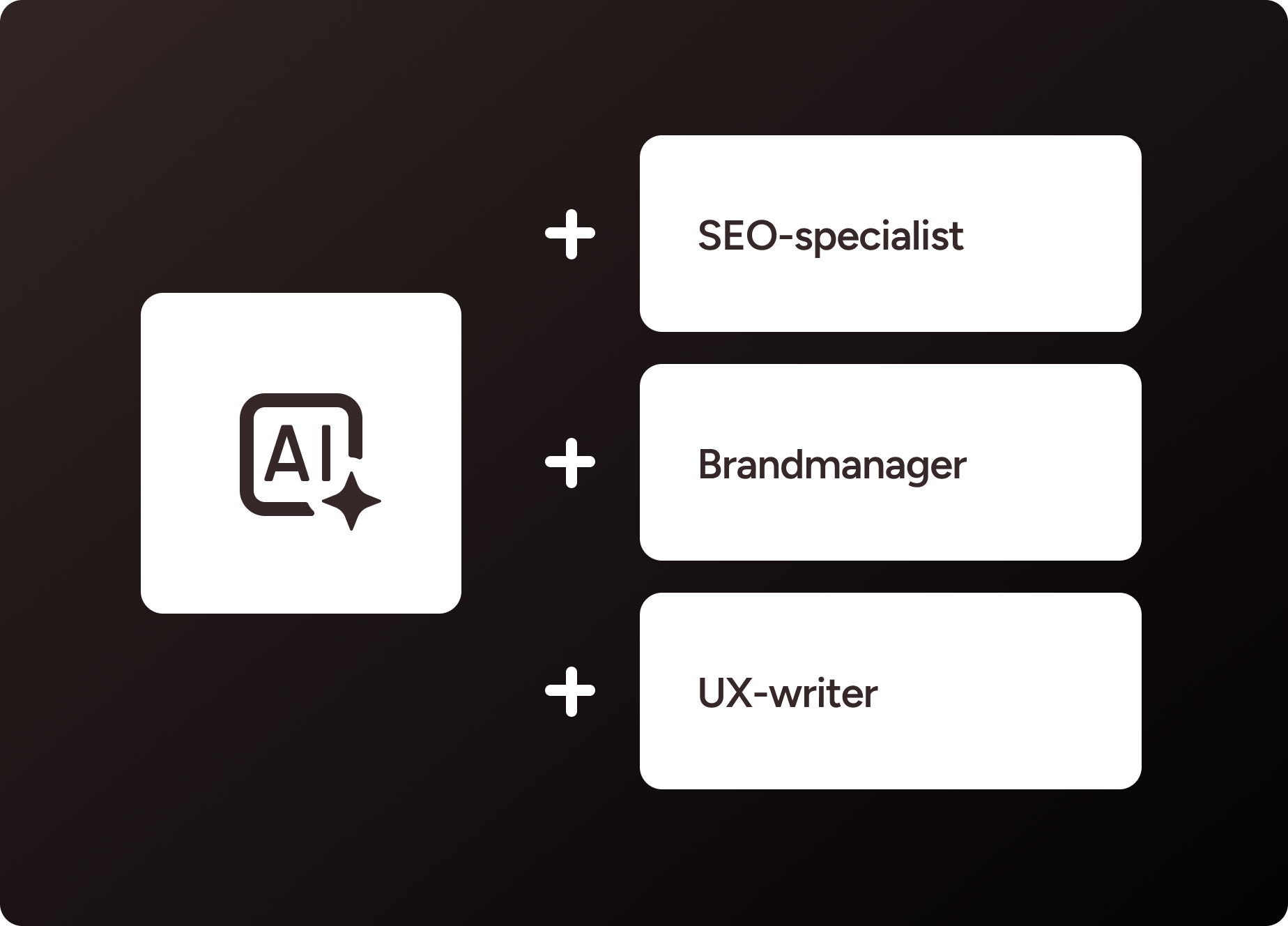
Ask the AI to combine different professional perspectives. For example:
“Think like an SEO specialist AND a brand manager AND a UX writer at the same time.”
What you get out of it
You get content that balances different considerations such as visibility, brand, and usability instead of prioritising one and overlooking the rest.
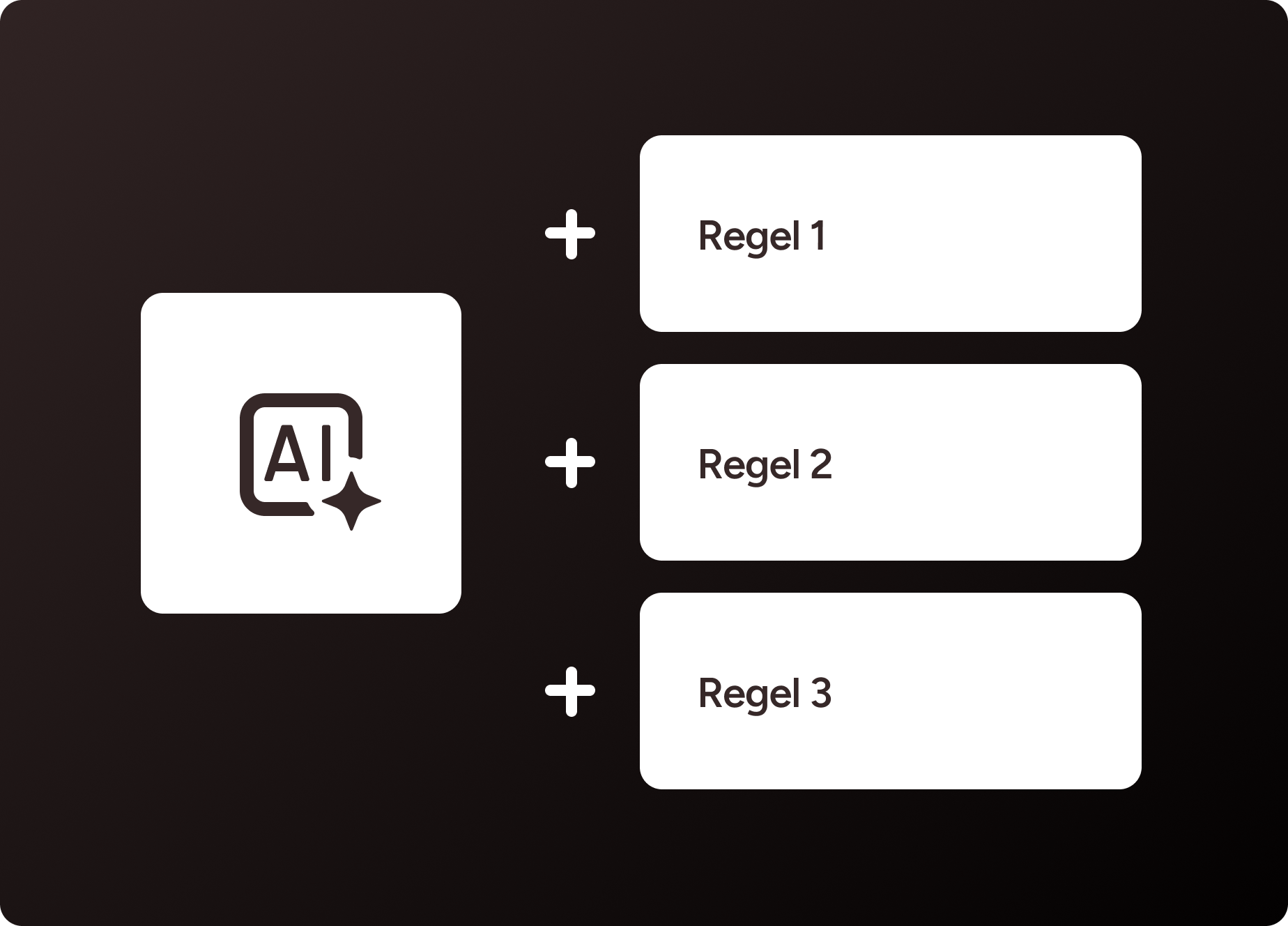
4: Set specific rules
Be clear about what the AI may and may not do. For example:
- “Use commas instead of em dashes when possible.”
- “Write “no data available” instead of inventing information if something is missing.”
What you get out of it
The output becomes more reliable and consistent, and you avoid the AI making up facts.
5: Use examples (few shots)
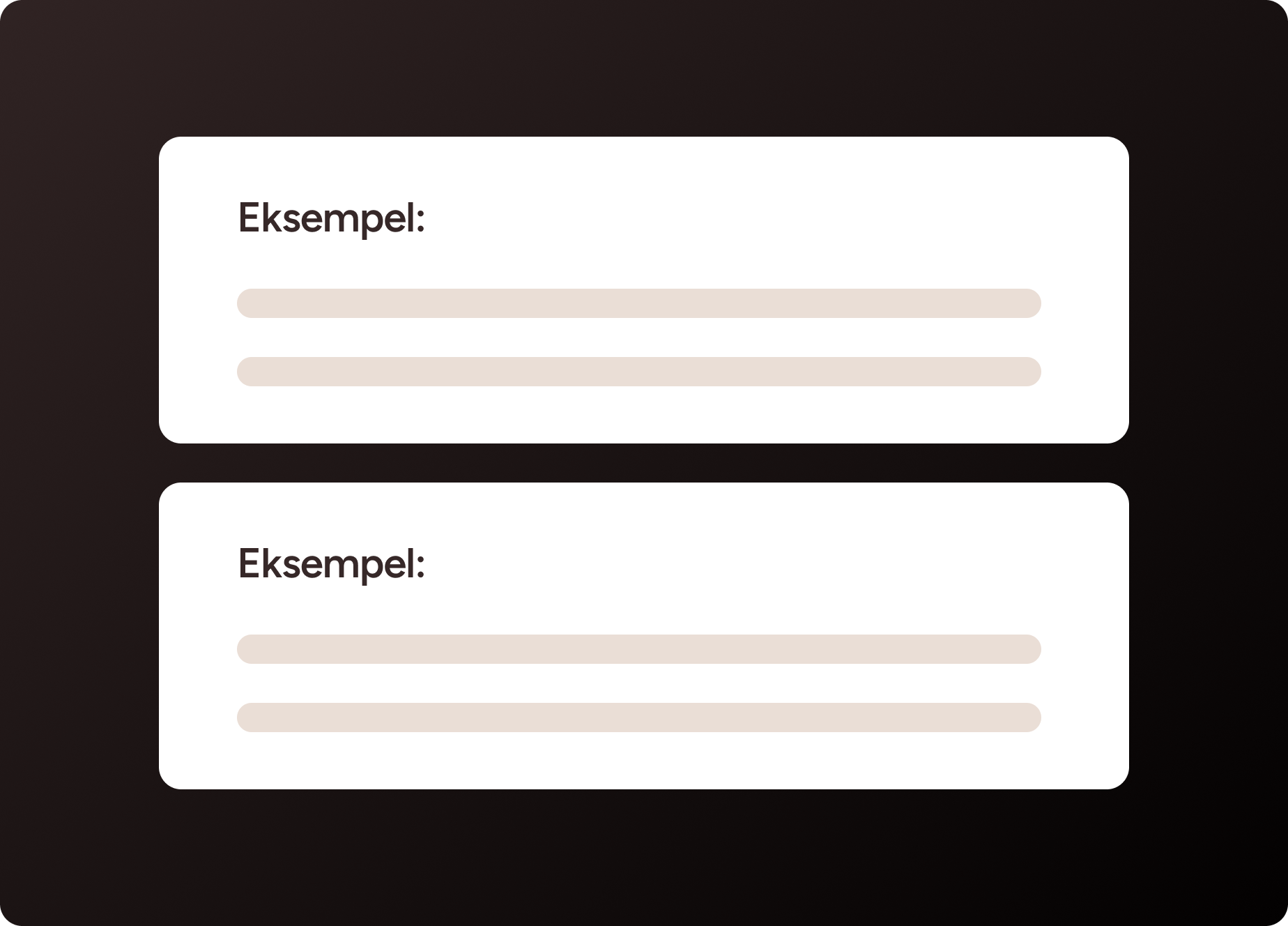
Show the AI 2–3 concrete examples of the language or structure you want. This could be, for example:
- Previous LinkedIn posts
- An Instagram ad
- A paragraph from a news article
What you get out of it:
The AI understands much faster what style and tone you want and delivers a draft that is closer to the final result.
6: Prioritise what matters most
Tell the AI what should carry the most weight if requirements conflict. For example:
- “Readability is most important, then SEO optimisation, and lastly creative phrasing.”
What you get out of it
You get copy that stays focused on what you consider most important, instead of messy compromises you have to clean up yourself.
7: Use a control prompt
Run a targeted check on 2–3 things that often go wrong. For example:
- “Is the word count under 300?”
- “Have you made up any information?”
- “Does the text follow the tone of voice?”
What you get out of it
You save time refining the content and gain peace of mind because you know the typical mistakes are being caught.
8: Add brand guidelines to a custom GPT
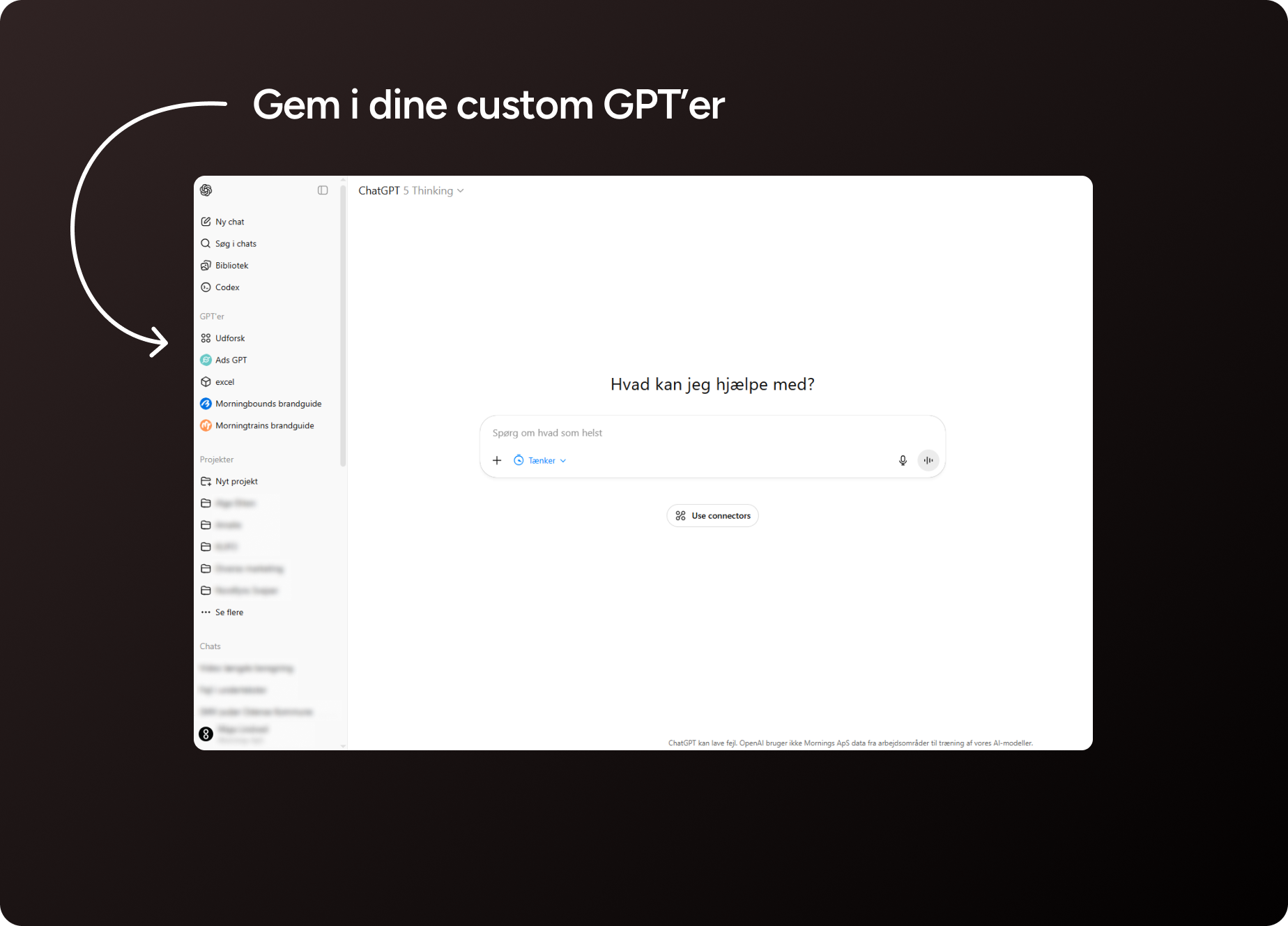
Instead of starting from scratch every time, you can compile your brand guidelines directly in a custom GPT. Here you can build in tone of voice, language rules, and audience descriptions, so the AI already understands your style before it starts writing.
Examples of what you can include:
- Tone of voice
- Language rules
- Target audience
What you get out of it:
You get an AI that writes in your tone from the outset and remembers your rules, so you save time, minimise edits, and get content that matches the brand better.