


Digitalization
1. December 2020
Redirects: What do we need them for?
A redirect is a way of pointing links on a website so that your visitors end up on the right pages in situations where a page has been deleted, moved, the URL has been changed, and much more. If you do not work with redirects in these cases, it will negatively affect the user experience…

When you move or delete your website, a subpage, a blog post, or an article, you can quickly lose the work you have put into your SEO, link building, and user experience and in the worst case, harm your future opportunities to achieve strong rankings in search engines.
That is why it is important to know what you can do to avoid, or at least reduce, the problems that can arise when you move pages around.
You must ensure that users and search engines are automatically sent from the old URL to a new URL this is called a redirect.
When is it necessary to redirect?
It is necessary to redirect one URL to another if the URL has existed but suddenly no longer does. Situations where a URL no longer exists typically include:
- Renaming the title of an article or a blog post and, in that connection, also choosing to rename the URL
- A service or product you no longer offer and have therefore deleted from your website
- Moving an article or a blog post from one category to another
- Getting a new website with a different URL structure
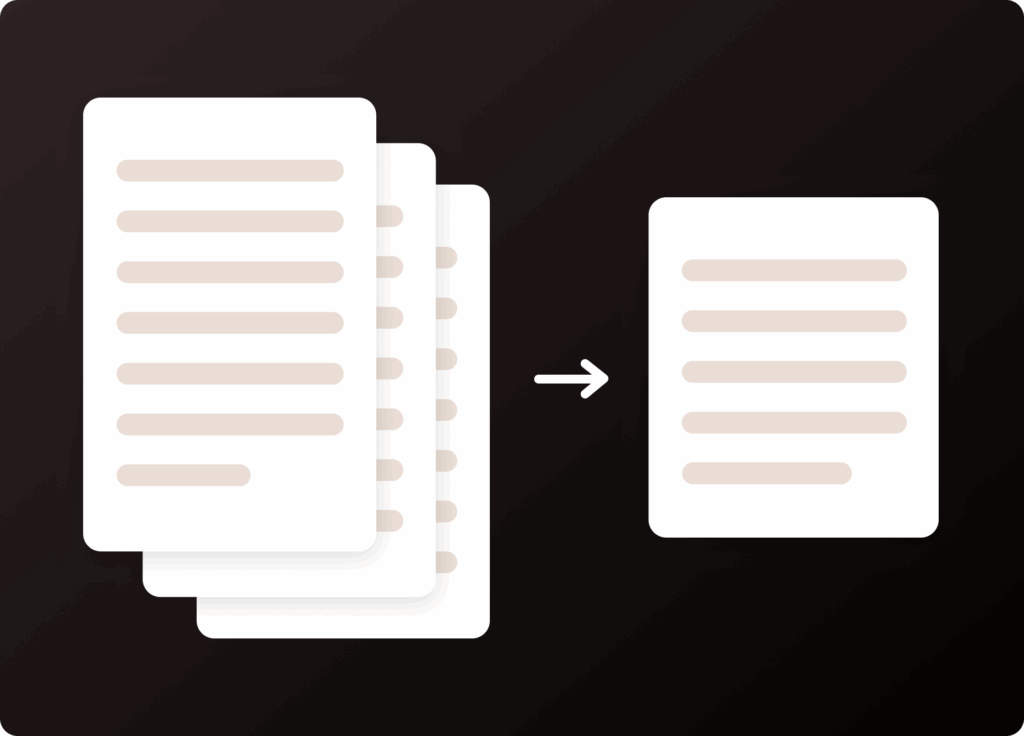
In addition, there are a number of other situations where it can be convenient to redirect the URL to another one, which we have also touched on briefly in my tips. Here are some of them:
- Redirect www to non-www, or vice versa
- Redirect https to http, or vice versa
- Redirect alternative domains to the primary domain
- Redirect to country-specific domains depending on where the site is accessed from
- Redirect a simpler URL to the actual URL
Why can it be a problem not to redirect?
There are three main reasons why you need to ensure you redirect correctly:
- Google may think that two versions of your website exist and interpret it as duplicate content.
- You may lose the value of the external and internal links pointing to the page in question. Search engines may also continue to believe the page exists if links point to it. When they then find nothing on the page, it can negatively affect your ranking in the search results.
- Your customers may risk visiting your page in vain and leaving immediately because they do not find the content they expected.
How do you redirect correctly?
We will not go into how to redirect a URL, because it can vary depending on which system you use for your website, which server you run on, etc. and it usually also requires some technical skills.
However, we will briefly explain which type of redirect you should use (as there are several), so you can easily search online for how to do it or ensure that whoever helps you also does it correctly.
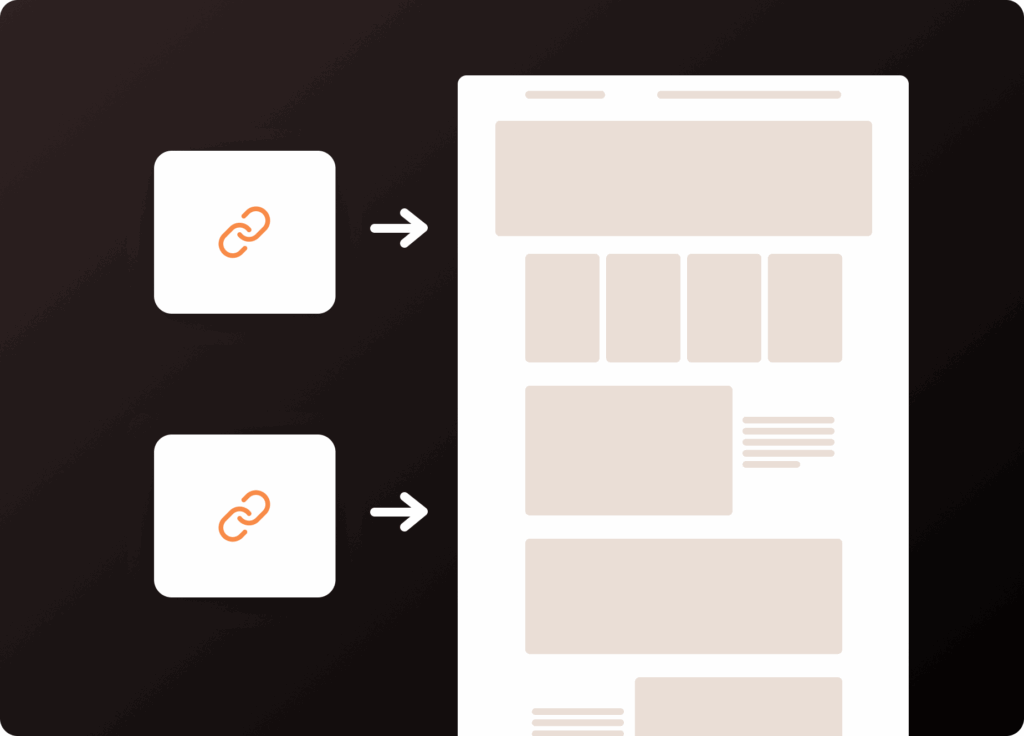
First and foremost, it is important to redirect to a relevant page. If you do not redirect to a page that is identical to the old one, make sure it covers the same topic and possibly also targets the same keywords.
As a last resort, you can redirect to something that is not exactly the same, but it is worth doing it properly.
Avoid, as far as possible, redirecting to the homepage or other general pages unless it makes the most sense.
Of course, redirecting to the homepage is better than nothing, but if you can redirect to a product or an article similar to the one you are redirecting from, it is much better, and you will get far more out of it for both your customers and search engines.
Example:
If you have written an article about why it is good to buy proper running shoes and, for one reason or another, you move the page, make sure the new page contains the same article or at least that it is still about buying proper running shoes.
If you had a pair of running shoes in your webshop and you no longer sell them, redirect to an article that describes a good alternative to those shoes.
Alternatively, you can redirect to another pair of running shoes similar to the ones you no longer have, or to the running shoes category.
Which redirect should you use?
It is important to use a 301 redirect when a URL is moved permanently. When this type of redirect is used, search engines know it is a permanent move and therefore treat the page you redirect to as the current page.
The new page thus receives all the benefits of the links, etc., that you have built up for the old page.