


Content
5. June 2023
Who are you, really? The fun truth behind ‘brand identity’
What is your brand? What is the brand’s soul? Yes, you heard that right! Brand identity is by no means just a logo or a name—those two are merely derived “products” of your brand identity. Brand identity is a term used to describe how a brand presents itself to the world and is recognisable to…

Content
The content of a brand Importance of branding The components The process in branding MisunderstandingsWhat does ‘Brand identity’ include?
Brand identity includes all the visual and communicative elements associated with a brand: from logo and colours to the tone and atmosphere in the office. In this article, you will learn about the importance of a strong brand identity, its different components, and how to create a fun and authentic brand story.
The importance of a strong brand identity
A strong brand identity is an extremely effective tool for driving a business forward. It is a way for a brand to differentiate itself from its competitors and create an emotional connection with its customers.
A successful brand identity can lead to increased customer loyalty, higher sales, and a stronger market position.
Take Apple, for example. Even though it is a well-worn example, there simply is no better example of a brand whose target audience has developed an emotional connection to the brand’s identity. We all know people who ONLY want Apple products, regardless of whether there are other, cheaper options.
This is because Apple’s brand identity is something you can also identify with on a personal level. That is why Apple appeals to people who believe in “challenging the status quo”, or as Apple puts it: Think different.
Stand out from the competition
Do not be put off by “well, that’s Apple” examples exist in every industry and at every scale. All companies can benefit from making their brand identity clear.
First, a strong brand identity helps create a lasting impression on customers. When customers recognise a brand and can relate to it, they are more likely to return and make repeat purchases.
This leads to increased customer loyalty and a greater likelihood that customers will recommend the brand to others.
Second, a strong brand identity can help differentiate a brand from its competitors. In a world where consumers are constantly bombarded with ads and marketing messages, it is important to stand out from the crowd.
A unique brand identity can help a brand cut through the noise and reach its target audiences effectively.
The components of a brand identity
A brand identity is just as complex a composition as your personal identity. The full answer to what a brand identity consists of is: “everything the company is and does”.
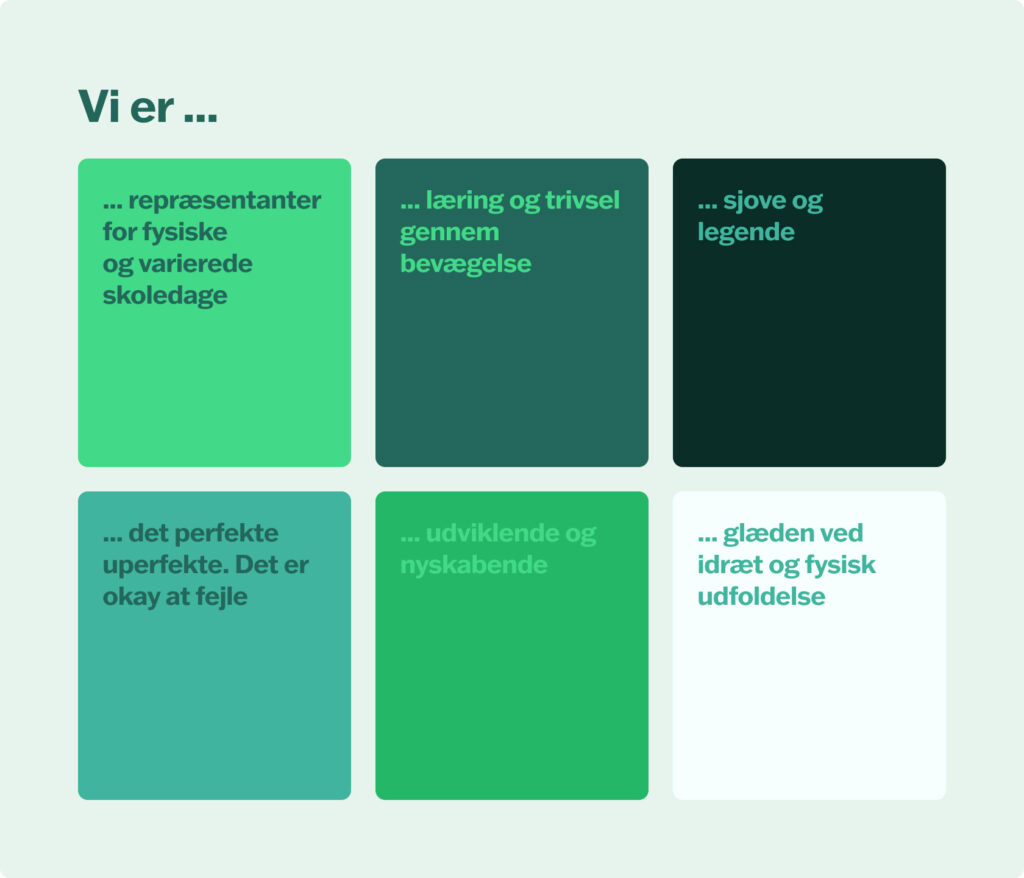
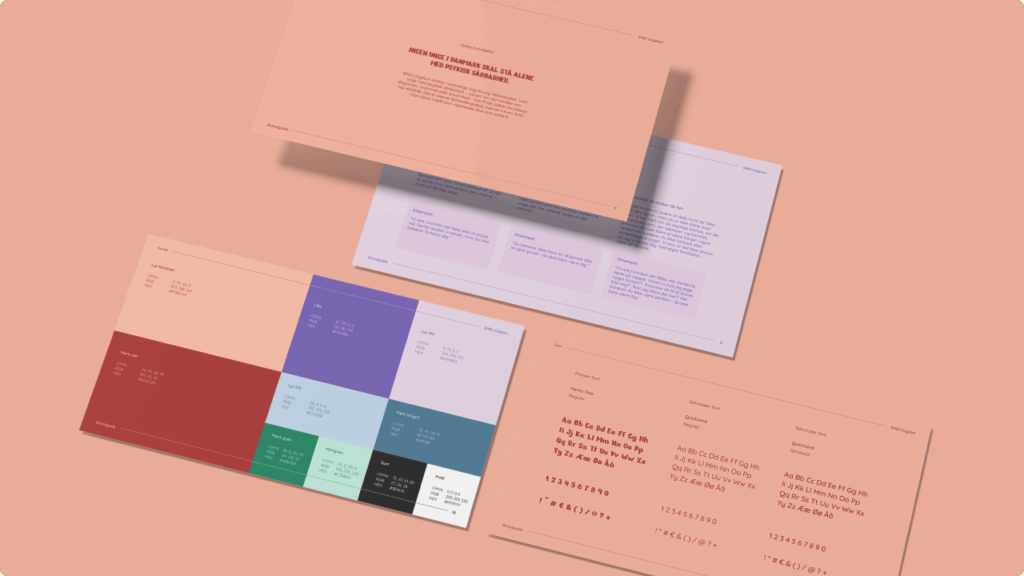
However, some of the components most often associated with a brand identity are:
Logo:
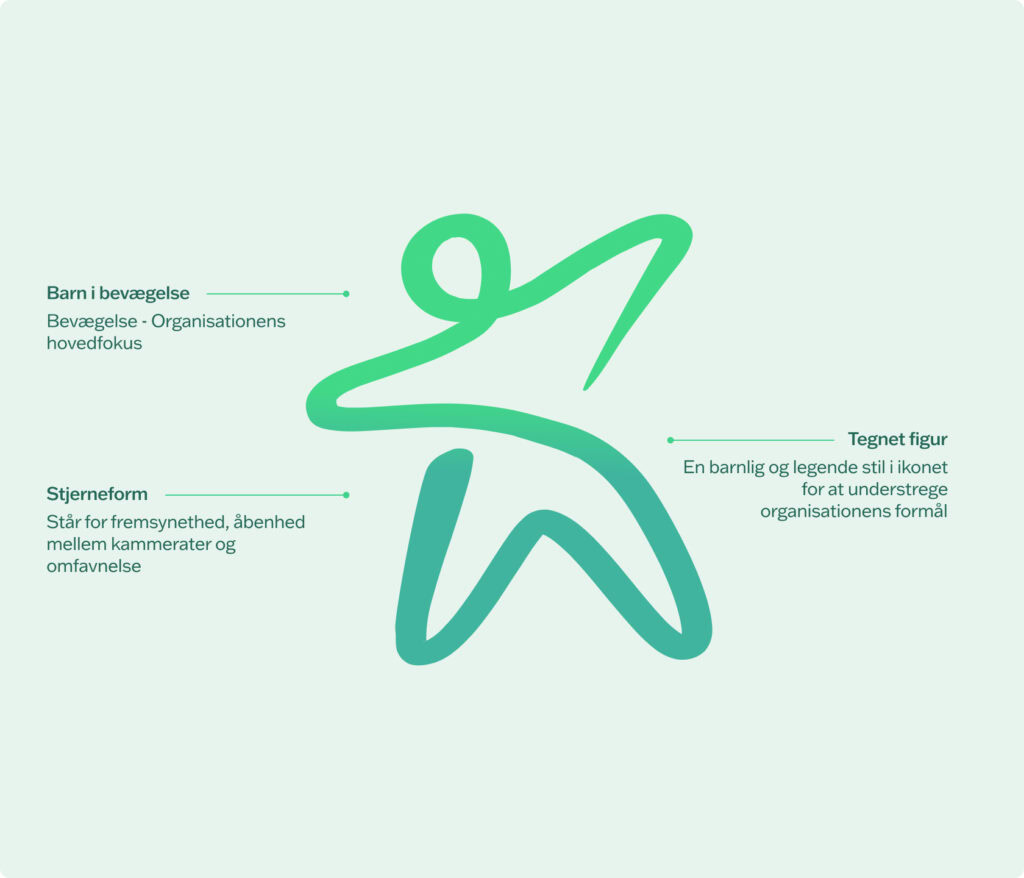
A logo is a graphic symbol or design that represents a brand. It is often the first element people think of when they hear the term “brand identity”. A good logo should be simple, yet striking and memorable. The logo is the company’s “avatar” and a fusion of the company’s vision, mission, values, and purpose.
Colours:
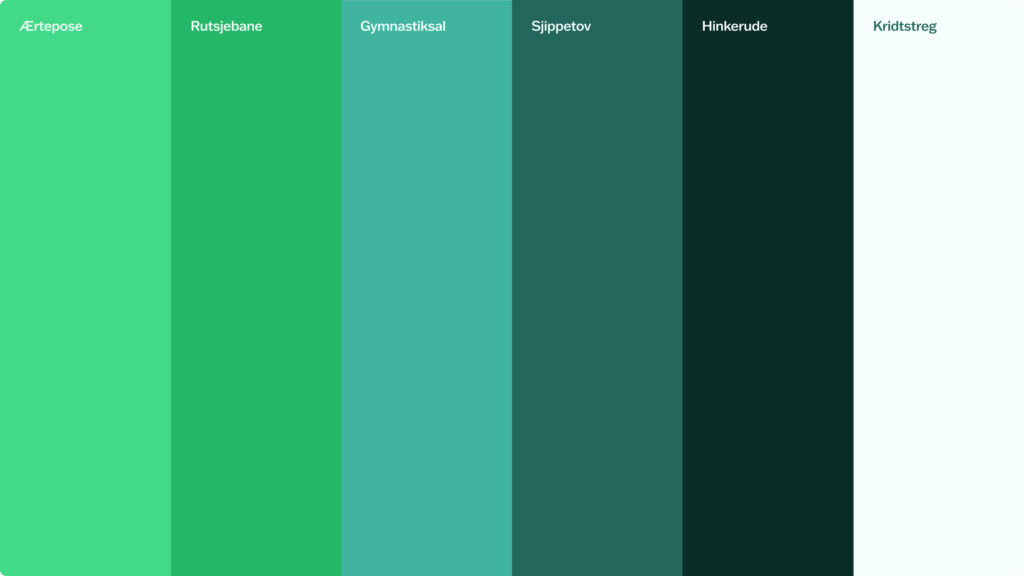
Colours play an important role in brand identity, as they can influence customers’ mood and emotions. A brand should choose colours that match its personality and values and create an emotional connection with customers.
Typography:
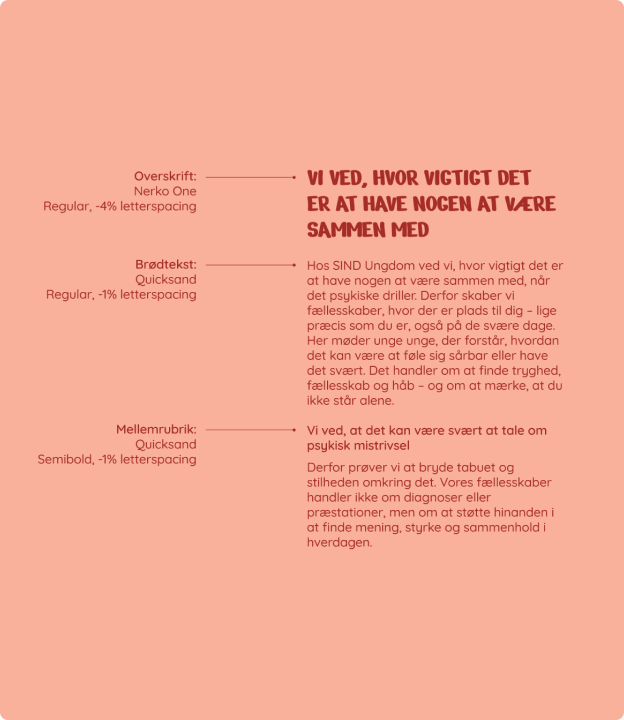
Typography refers to the typeface used in a brand’s communication. The choice of typeface can influence how a brand is perceived and should be chosen carefully to ensure it reflects the brand’s personality and values.
Tone and atmosphere:
The tone and atmosphere (or tone of voice) in a brand’s communication are crucial to how it is perceived by customers. A consistent tone and atmosphere can help create a strong brand identity and build trust with customers.
Visual elements:
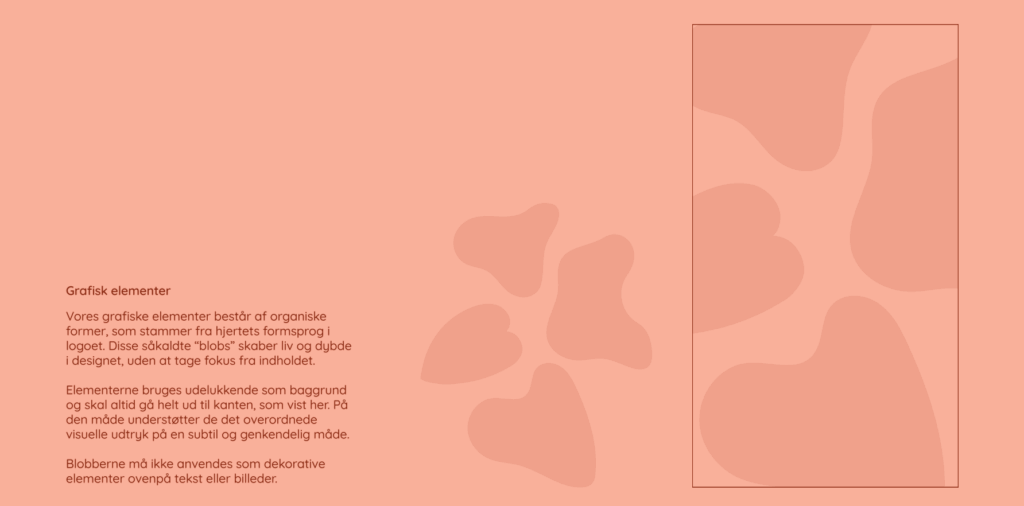
These include images, illustrations, and graphics used in a brand’s marketing materials. These elements must align with the brand’s personality and values and help create a memorable and recognisable brand identity.
However, this is only the brand’s identity translated into the external world in marketing contexts… A strong brand identity only truly takes hold once you have translated your identity into actions, routines, and behaviours that live in the culture.
For example, things like:
- How we speak to each other and our customers.
- How we welcome guests into the office.
- How you treat your suppliers.
- How you have structured your customer service.
- And much more.
The point is that if you only spend time translating your brand identity into visual aids and marketing materials and forget the culture, you risk the outside world experiencing dissonance between “what you say you are, and what you actually are”.
By dissonance, I mean all the companies that say they are “at eye level” or “customer first”, but where the customer service representative would rather follow checklists and empty rules than listen to the customer.
The process of creating a brand identity
Creating a brand identity is a complex process that requires time, thought, and creativity.
My recommendation would be as follows:
- Define vision, mission, and values.
- Also define how these translate into culture how do we act towards each other and the world around us?
- Define your core story
- Why do you exist?
- Why do you do what you do?
- What is your reason for being?
- Define your target audience—who are you here for?
- Develop a logo
- Develop a design guide
- Typefaces
- Colours
- Icons
- Image style
- etc.
We have previously written a blog post about the cost of a visual identity. In that post, you can read more about the process of creating the visual elements (visual identity) in your brand identity. Read the post here.
The fun side of brand identity: storytelling and personality
One of the most exciting and fun aspects of brand identity is storytelling and personality. A brand with a strong story and a unique personality can create a deeper connection with its customers and stand out from competitors.
Storytelling is about creating an authentic narrative around your brand that communicates its values, mission, and vision. A good brand story can capture customers’ attention and make them feel an emotional connection to your brand.
Brand personality is the human characteristics attributed to a brand. It can be anything from humorous and playful to professional and authoritative. A unique brand personality can help your brand stand out and create a strong emotional connection with your customers.
Common misconceptions about brand identity
Books could be written about the misconceptions surrounding brand identity.
A classic misconception is that brand identity and branding are the same. Branding is a broader term that includes all the activities and strategies used to build and maintain a brand’s reputation and image.
Brand identity is indeed part of branding, but it specifically focuses on the visual, communicative, and cultural elements that represent a brand.
Another classic misconception is to translate ‘brand identity’ into only visual elements, such as a logo: A logo is an important part of a brand identity, but it is far from the only component.
And perhaps the biggest misconception…
That a strong brand identity is all you need to succeed. You may have all the right intentions and a wonderful culture but if your products/services are far from satisfactory, your brand identity will not matter.
Here I am thinking, for example, of ‘Bronuts’. Sharp identity, intensive marketing… but a poor product.
And you are probably thinking: “who are Bronuts?”.
Exactly… that is my point. (They went belly up pretty fast)
In conclusion…
My recommendation for what you should do from here to become more knowledgeable about brand identity: Read the book ‘Primal Branding’, written by Patrick Hanlon. It uses different words for it, but everything it talks about relates to the definition of a brand identity.