

Digitalization
26. November 2025
Here is the price of designing a logo
“What is the price of a logo?” sounds simple, but it is rarely the most important question. What matters is how much your visual identity means to the business, and how thorough the advisory and creative work needs to be to make it work.
Content
The complexity of the logo The price of visual identity Phase 1 – Definition The price for phase 1 Phase 2 – Preparation The price for phase 2 Phase 3 – Documentation The price for phase 3 Total priceThis post is not for you if you just want a short, oversimplified answer. So if you just want a number, here is a range: The price of a new logo is somewhere between DKK 1,500 and DKK 10,000,000.
However, if you want to understand the pricing and value behind developing a logo, please read on. I will give you more realistic price ranges, structured according to where you are in the logo process and the context you are working in.
The price depends largely on 1) how well-developed your identity and story already are, 2) where you need to be taken from and to, 3) the level of risk in the project, and 4) not least, the value of the logo to your brand.
That is why a fixed “a logo costs X kroner” rarely makes sense unless you know your starting point.
Even so, I will try to set some parameters for the price but before I do, there are two things you should keep in mind:
- Disclaimer 1: We will work with ranges, but far less broad than the first one. Remember: all projects are different and the depth of the work varies, but just read along. The range is useful also for you.
- Disclaimer 2: We take ourselves and our surroundings as the point of departure, which are somewhat further along in the process of creating a logo. So fiver.com, a Czech freelancer, or a design from Malaysia are not included in this post.
Enough about that let’s get started!
“What is the price of a visual identity?” is a better question
First and foremost, I would like to nuance the question “how much does a logo cost” a bit, because you cannot answer it without talking about visual identity. But isn’t a logo a big part of a visual identity, you ask yes, and that is the point. It is about looking at the identity on its own before we translate it into something visual.
Your logo is the cornerstone and the closest you get to an “avatar” for your brand. So to create a logo, you need to know what it is meant to speak into.
The logic is that a logo is part of the visual identity. So before you can create a VISUAL identity, you need to know what the company’s IDENTITY is (*insert the feeling that everything suddenly makes sense*).
Phase 1: Defining the company’s identity
A company’s identity contains the following 4 elements, in order of priority.
1 – The vision: Your direction
The vision is the foundation and the answer to “what do you, as an organisation, want to achieve?”.
It is your North Star, and in organisations with a strong culture it is used as a decision-making tool. So when you face a challenge, you should ask yourself: “What would bring us closer to our vision?” and then do what the answer tells you.
2 – The mission: Your method
The mission is a narrative of: “how will you achieve your vision?”.
What is your secret sauce? Your capability? Your secret weapon? What do you do, day to day, to get closer to your dream state (the vision).
3 – The values: Your guiding principles in everyday life
Your set of values is a set of supporting rules for how you want to behave while you try to achieve your vision.
It is the values that should shape the culture in the organisation, as values are often more tangible and less lofty than the vision. Therefore, values are easier for all employees to navigate.
If the values stem from the vision, you are more likely to ensure that, as an organisation, you move towards the vision by “simply” living by the values in the daily grind.
Bonus info: You should never have more than 4 (core) values, as they become too difficult to remember, and statistically they start to overlap or worse: contradict each other.
4 – The core story: Your reason for being
The crowning achievement is to write the truthful story of the company:
- Why do we exist?
- What is our purpose?
- What is our reason for being?
The core story should describe what underpins the company’s vision, why the mission was connected, and how the values were chosen but as a flowing narrative.
A core story is, in other and more buzzword-friendly terms, your “WHY”. Why do you do what you do? And why do you care about the values and virtues that you do?
A good example of what Phase 1 means in practice is our work with Dansk Skoleidræt. The visual identity only made sense because the story, direction, and values were clearly defined.
Read the case about how we developed Dansk Skoleidræt’s visual identity here.
The price for Phase 1 and defining the identity
Depending on how complex your organisation is, how far along you are in terms of awareness, etc., the budget for developing a vision, mission, values, and core story will fall within the range of:
DKK 20,000 – 350,000
Many will already have these things in place; others are undergoing major, complex changes that the visual identity needs to support sharply. For some, working with the questions in Phase 1 is complex and requires a long time within the company and input from external parties. For others, things are more straightforward and simple.
In connection with our work on visual identities, we will not require that Phase 1 has been completed and thoroughly documented. However, we will never start designing for a client without the questions having been asked and answered.
Phase 2: Developing the visual identity
Already in Phase 2, we get to what you originally asked for: the logo.
Based on the answers and direction from Phase 1, the visual elements can be shaped. The focus here is most often the logo, as it is central. But it will also typically involve colours, fonts, graphic elements, tactile elements (things you can touch), imagery, and video style. All of this translated into where you need to exist visually—analogue and digital.
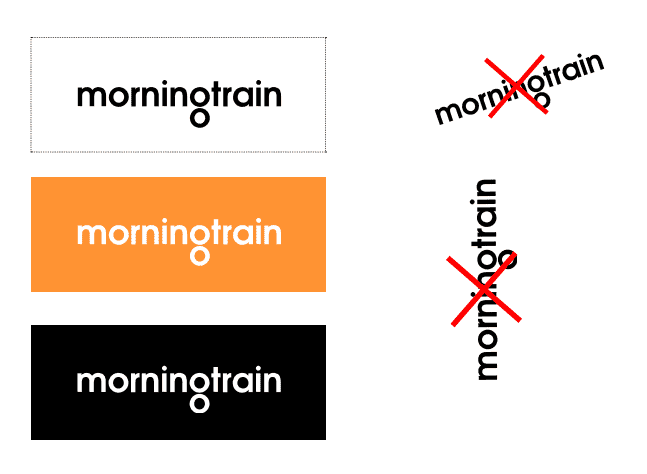
But today we are gathered to talk about the logo so:
The logo should ideally visualise the core you defined in Phase 1:
- Who the company is (the vision)
- What you do (the mission)
- Why you do it (the core story)
- And your values
In addition, you should also consider:
- Does the logo work online?
- Does the logo work in print?
- Are there details in the logo that are not clear?
- Does the logo create any unfortunate or inappropriate connotations for the target audience?
- What other graphic context does the logo need to work within?
- Are there elements in the logo that we pull out and use in other contexts?
- Which logo versions need to be created?
- Should sub-brands be placed under it, or should there be a primary digital logo and a simplified print version for a possible physical product you deliver?
- And 100 other things.
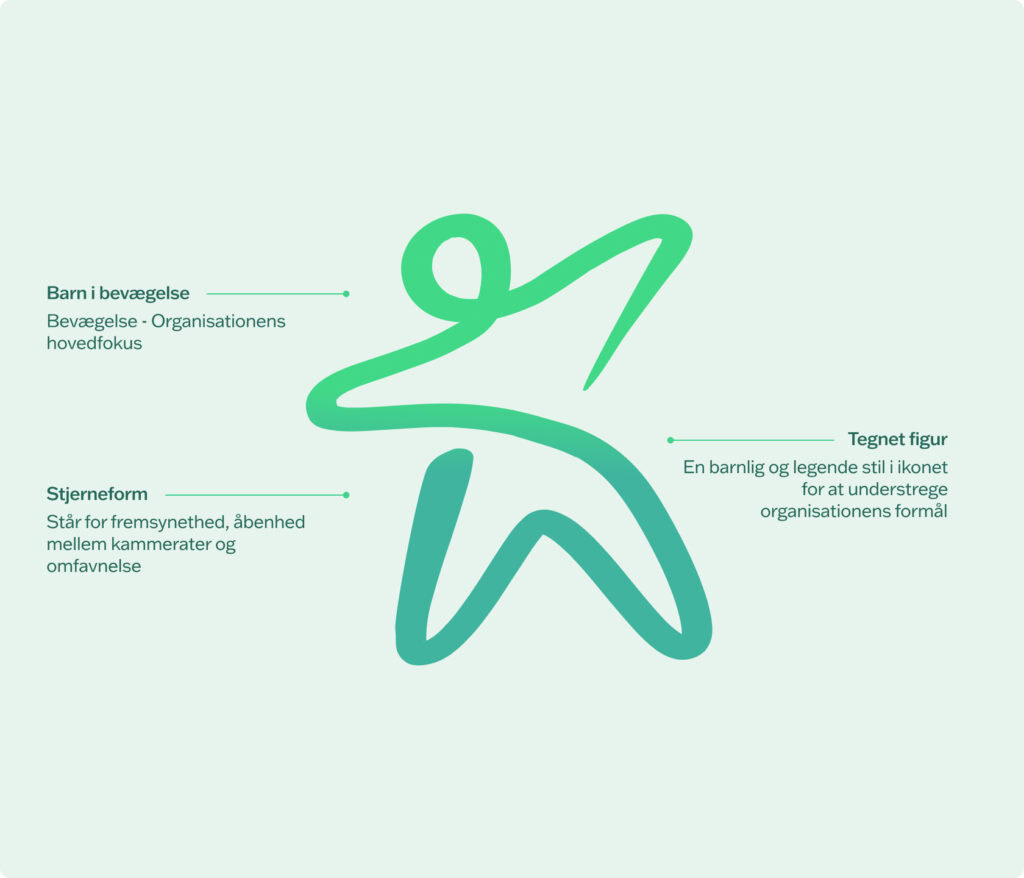
So even though the deliverable at this phase (at first glance) may seem small, it is the “result” of many hours of consideration, discarded logo proposals, and strategic decisions. After all, it is your company’s identity we are illustrating together.
The price for Phase 2 and developing the logo
The range here could again be broad, but we took the median of the logos we have produced ourselves and looked at our local market. Based on that, we conclude that a serious, thoroughly developed logo costs within the range of:
DKK 20,000 – 75,000
Phase 3: Creating a design guide
The final phase you need to go through before you can say that your company has a visual identity is having a design guide created.
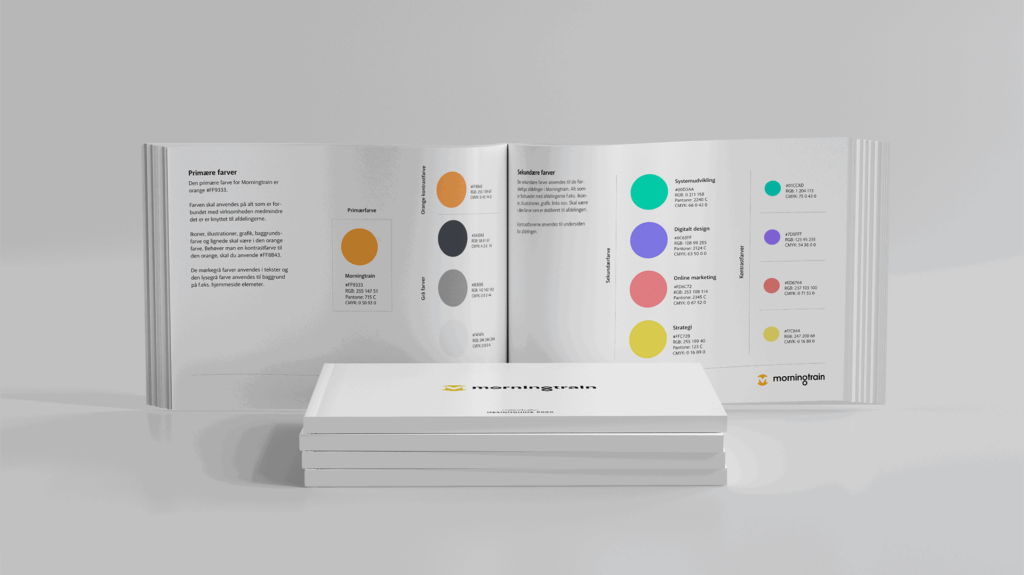
A design guide is, in short, a small handbook that shows how you can and may use the visual identity. It is both inspiration for the visual life and the boundaries creative minds must stay within.
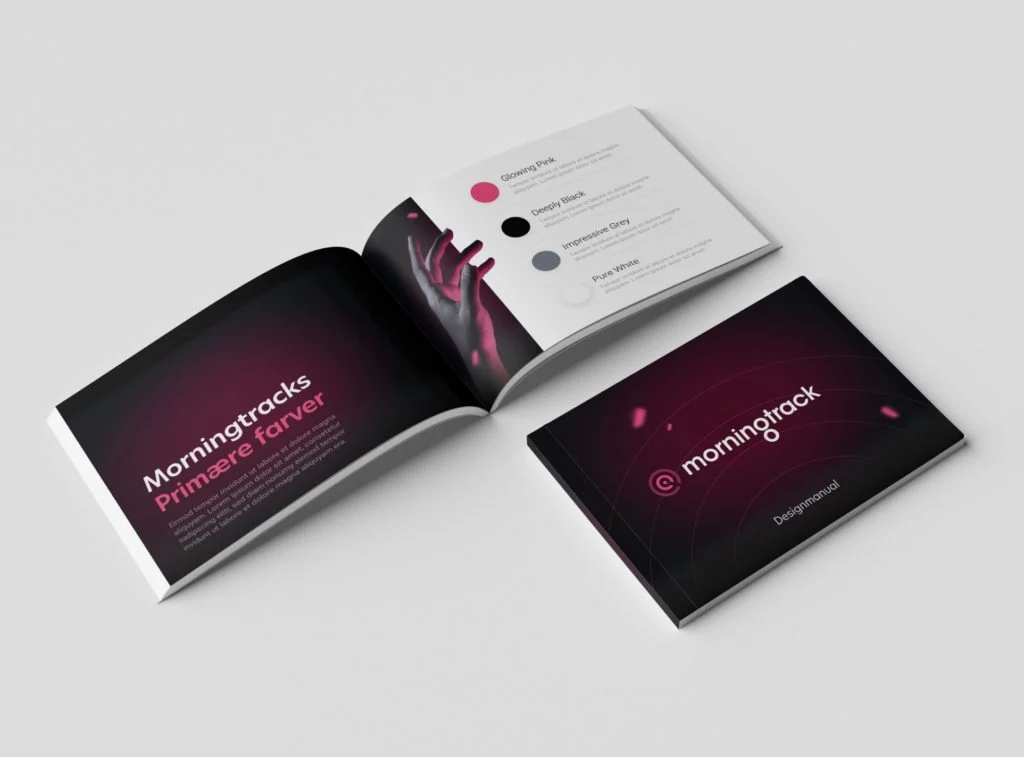
In a design guide, the logo is also translated into:
- The typefaces you may use (examples of good typefaces)
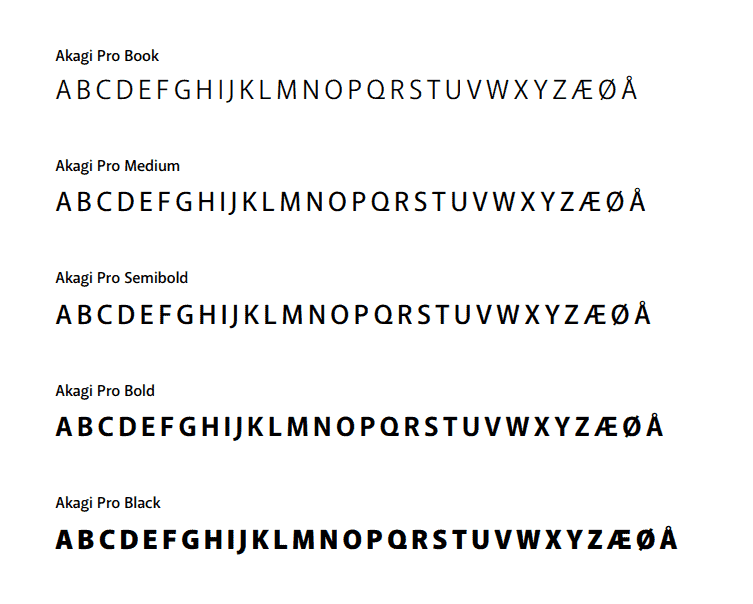
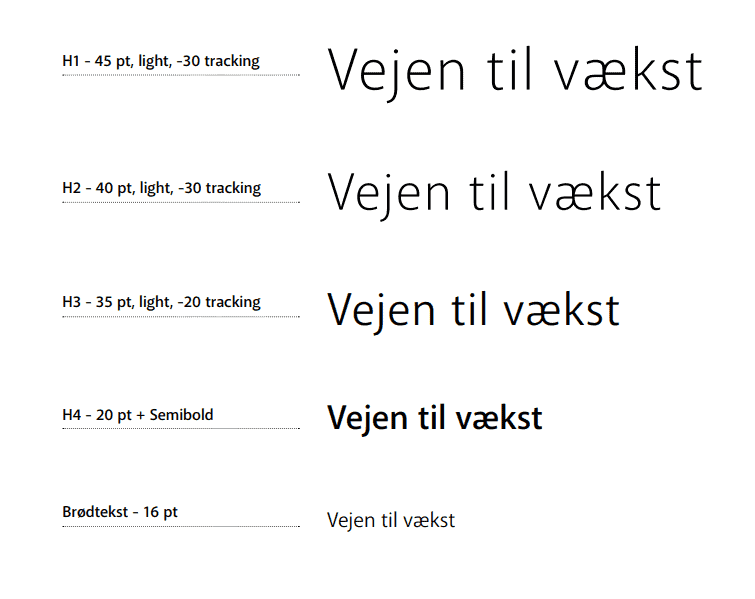
- The formatting of these typefaces
- Your visual elements
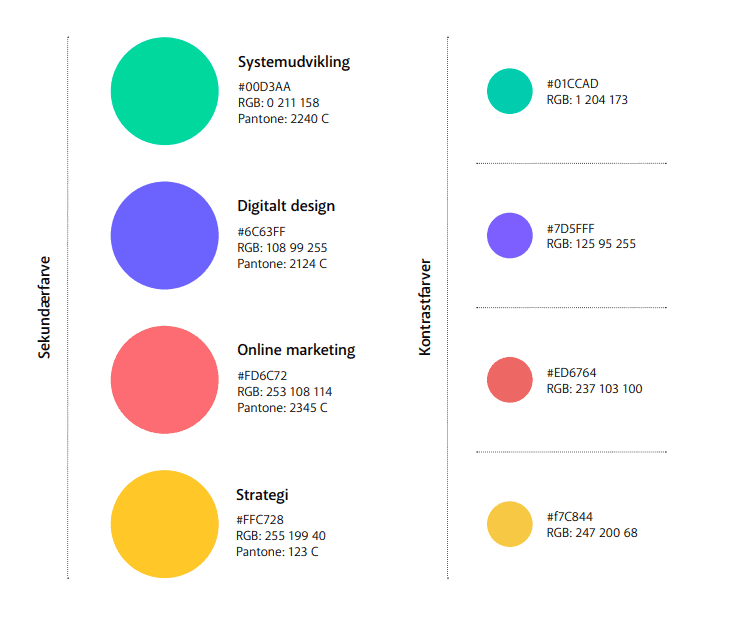
- Colours, including the nuances of your colours
- Your image style (do you use environmental images, people, and may images be cropped, tall, wide, etc.)
- The type of icons you use
- How you translate your identity into other formats (e.g., business cards, banners, letterhead, email signature, PowerPoints, brochures, and much more).
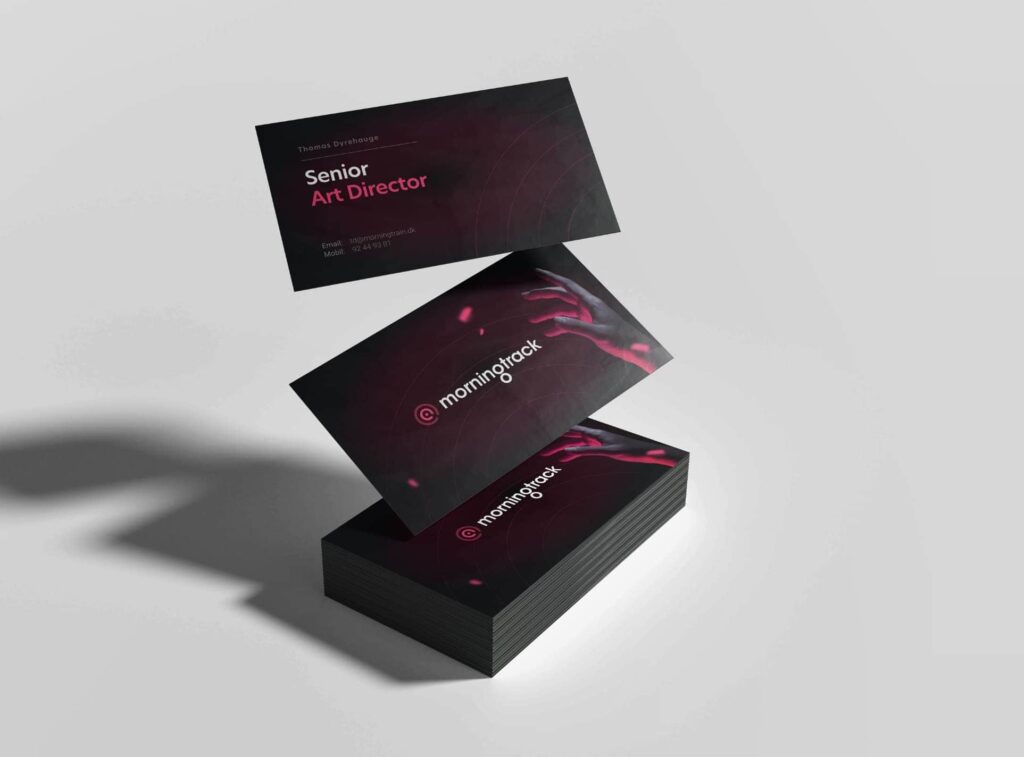
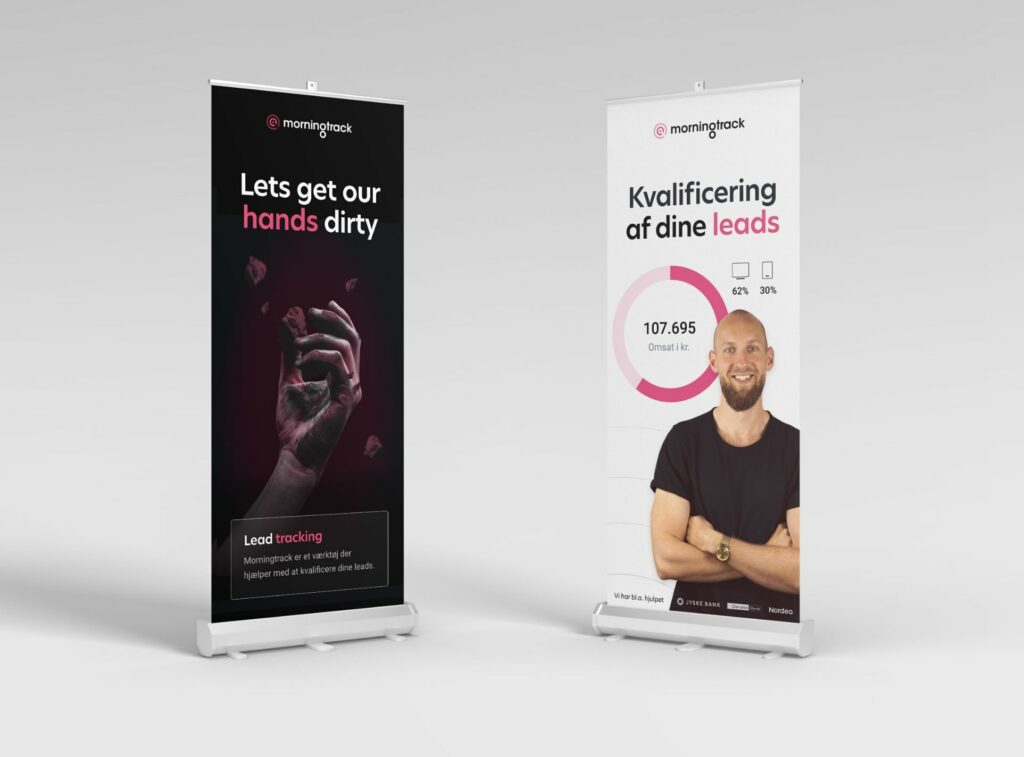
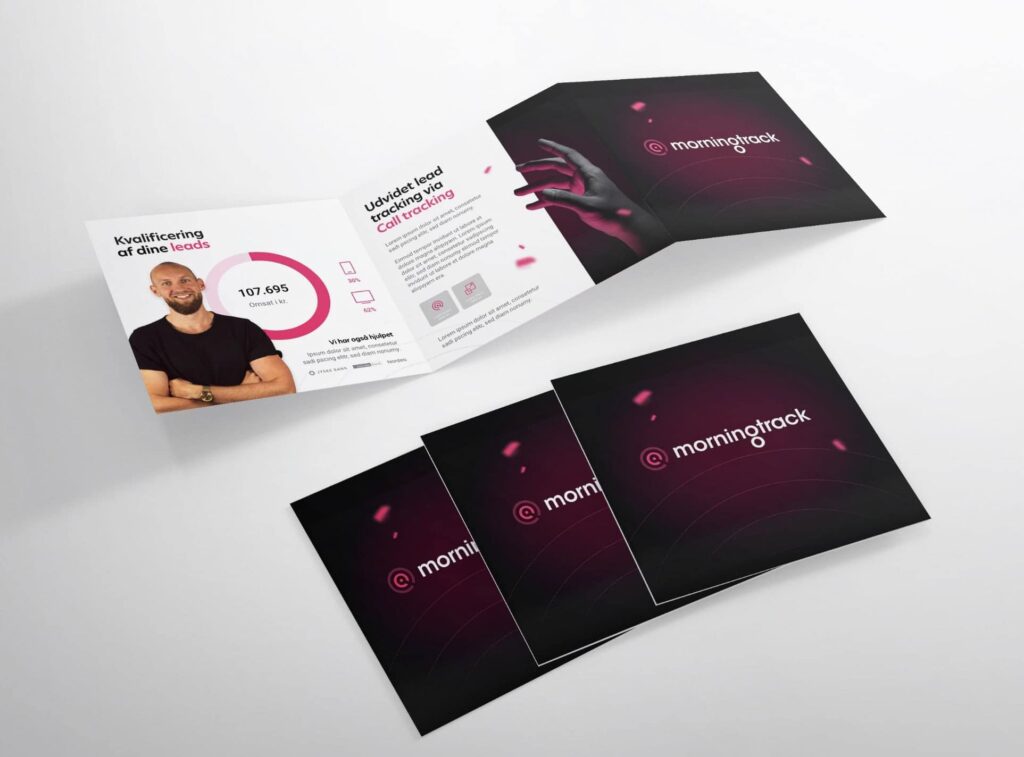
A design guide can also go as far as defining how the company looks on social media.
In other words, the design guide translates the logo into how you, as a company, appear out in the world. In that way, your visual identity goes from being an idea to having executable guidelines.
The price for Phase 3 and creating the design guide
The price naturally depends on how “thorough” a design guide you want. The price is at the lower end if you only need a definition of colours, fonts, typefaces, and/or similar.
But if, on the other hand, you need translation into print, web, and marketing, the price is entirely different.
Typically, the price will land between:
DKK 10,000 – 65,000
The total price of a logo process
We have mapped out that a logo realistically can cost between DKK 20,000 and 75,000 in our book (there are, of course, exceptions at both ends).
In our view, you should buy logos and visual identities based on the following 4 scenarios:
1 – Your company does not have a clear identity
2 – Your company has an identity, but lacks a (possibly new) logo
3 – Your company has an identity and a logo, but you need it translated to web, print, and possibly marketing
4 – Your company is changing, and the visuals must reflect this
Great, now I have a visual identity and a great new logo what do I do next?
From here, you can go in many directions, and that is not what this post is about, but some directions we frequently see are the following:
- Developing a new web design.
- Streamlining all graphic material.
- Developing a marketing strategy based on a new story and identity.
- Implementing a DAM system (digital asset management) for identity version control.

Written by




Do not hesitate—we are always ready for a chat
Let us talk about your design project
Let us go into the details together, so we can find solutions that fit your needs.