

Digitalization
28. February 2022
What is e-commerce?
E-commerce is an abbreviation of electronic commerce, which corresponds to the Danish term “online shopping”. In short, e-commerce can be described as selling products and services online.
Content
Introduction B2C e-commerce B2B e-commerce Types of e-commerce Advantages Disadvantages ConsiderationsToday, e-commerce is widespread, and many different companies use this strategy, as e-commerce is relevant for virtually all types of businesses.
Regardless of what type of business you run, it is therefore relevant to consider making e-commerce part of your business plan. Consider whether an e-commerce solution could create value for your customers and make it easier for them to shop with you.
Below you will find further explanation of how e-commerce is relevant for different types of businesses.
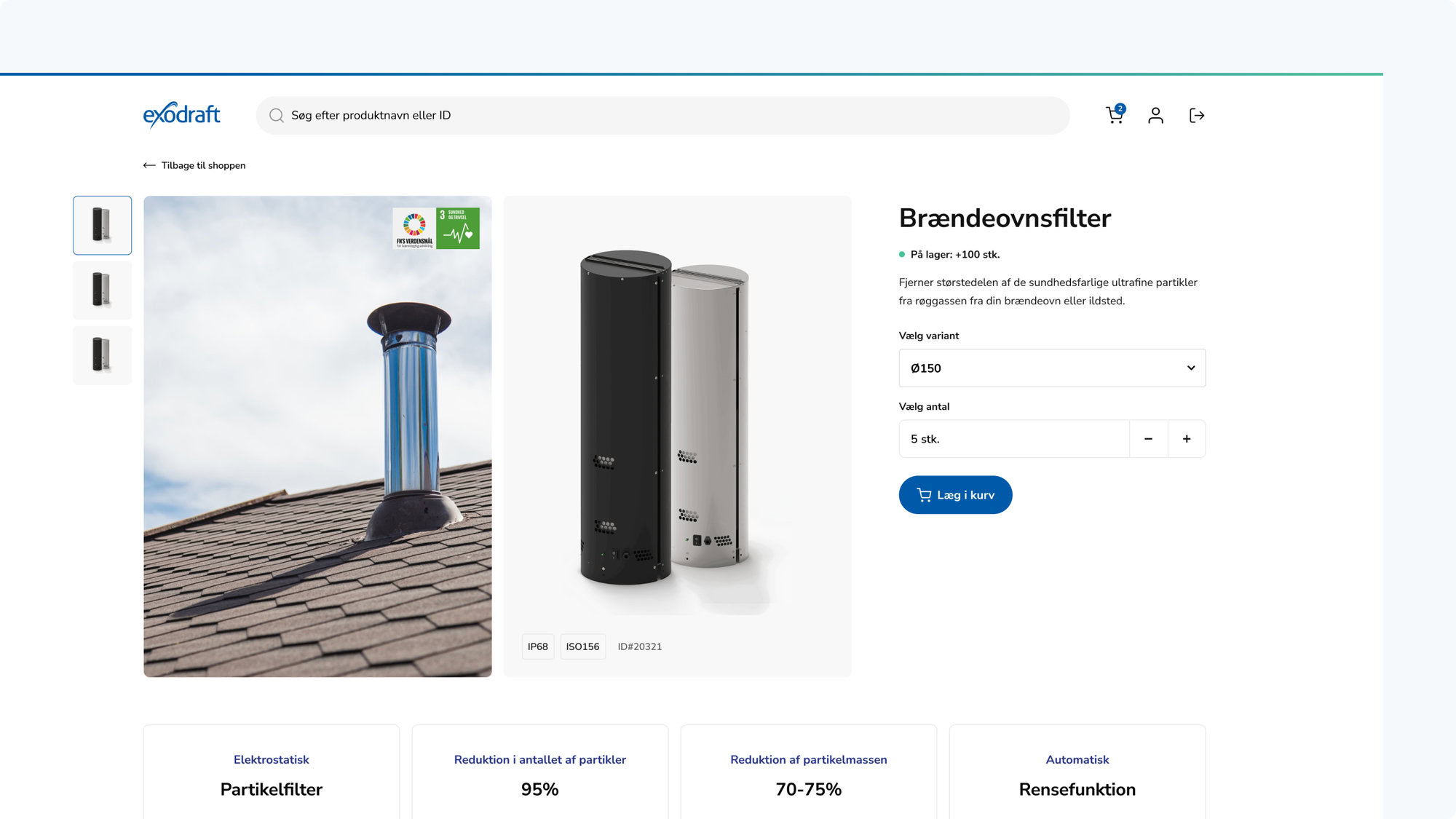
B2C e-commerce
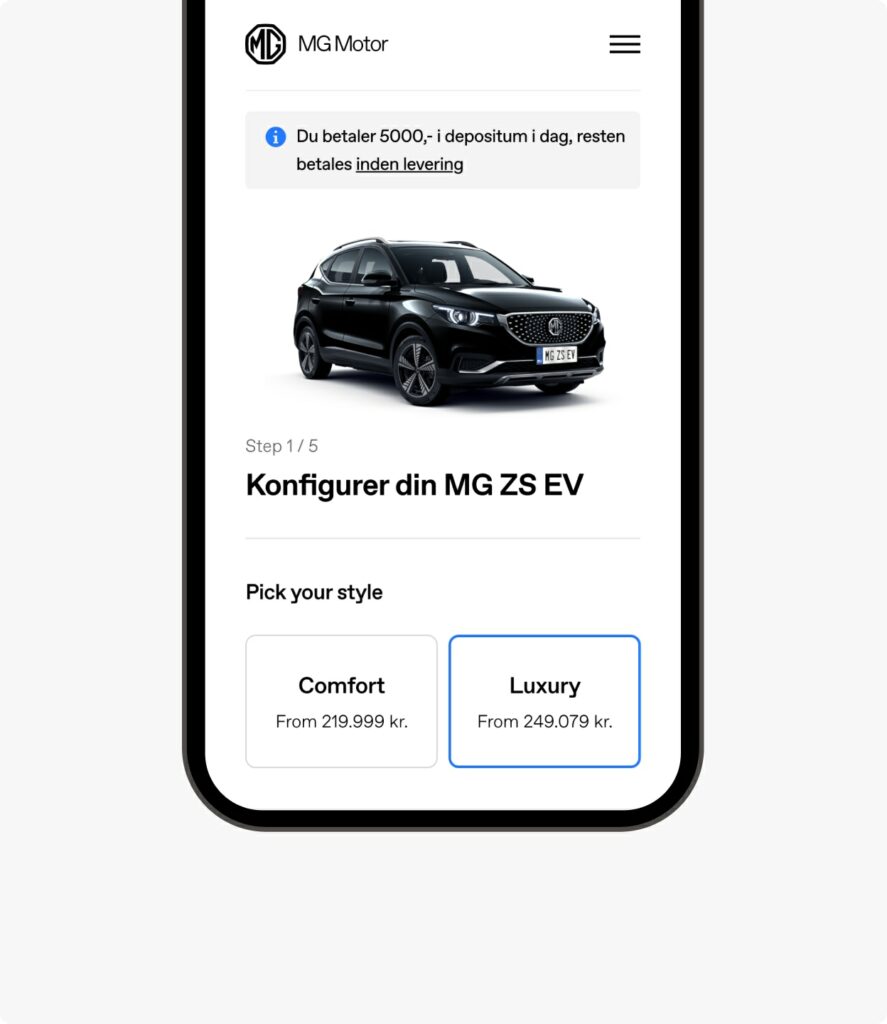
B2C is an abbreviation of Business To Consumer, and B2C e-commerce therefore targets the end user directly. In this case, the focus is on getting the customer to the finish line quickly to checkout. Therefore, you should prioritise fast and easy navigation to what the customer is looking for. For the same reason, it is important to limit the amount of information and ensure that the information the customer receives is relevant to their buying journey.
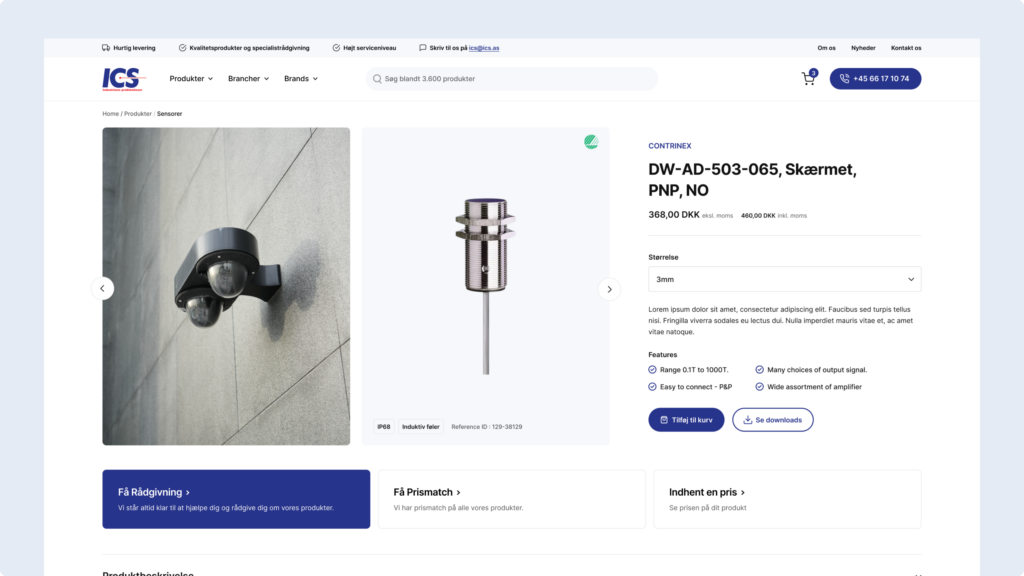
B2B e-commerce
B2B is an abbreviation of Business To Business, and B2B e-commerce therefore targets other businesses.
Therefore, B2B e-commerce should ideally include more and more detailed information than would be the case for a B2C company. The website should be easy to navigate, and it is important to focus on getting the customer to make contact as opposed to getting the customer to checkout as quickly as possible, as with B2C companies.
Ways to run e-commerce
There are different ways to run e-commerce, and these depend on the company and its vision for operating e-commerce.
- Retail
Offers customers goods they can buy through the company’s webshop - Digital products/services
Examples include online courses and streaming services - Wholesale
Offers products with volume discounts and is primarily used by B2B companies - Subscription
A fixed digital service or a product sent to the customer every month - Dropshipping
The company buys the item from a third-party supplier and has it shipped to the customer
Benefits of e-commerce
There are many benefits to implementing e-commerce in your business plan. For customers, the primary benefits are that the purchasing process is streamlined, and that it is far more flexible for them to access your online site rather than visiting your physical store.
Below you can see an overview of some of the biggest benefits of running e-commerce.
- You are open 24/7
By making it possible for customers to buy your products online, it also becomes possible for them to do so exactly when it suits them, instead of being limited by your opening hours. This makes it easier and more efficient for customers to buy your products. - Larger audience
Because you are not limited by a physical location, you can expand your audience, as you are accessible to far more customers online. - Greater insight into your customers
Through customer data, you can gain unique insight into your customers and their purchasing behaviour, including how long they spend on the website and how their customer journey unfolds. With this information, you can tailor your purchasing, your website, and your marketing activities to the customer and their needs. - Low operating costs
It can be cheaper to run a business online, as a wide range of processes can be automated, reducing the need for staff. Because you can save costs, you can also offer your products at lower prices than in physical stores. - Opportunity to increase ‘share of wallet’
You make upselling easier both at the point of purchase and by reaching out to customers via sales or marketing based on their previous orders.
Challenges of e-commerce
Of course, there are also some challenges to running e-commerce, and below you can see a list of some of the most important challenges that should be considered before implementing e-commerce in your business plan.
- More competitors
With a physical store, your primary competitors will be companies that sell the same products in the same geographic area. With an online website, you will have many more competitors that your customers can access. - Things move fast
Within e-commerce, many new things happen, and developments move fast. It is therefore important to stay up to date on trends and tendencies within e-commerce as well as online marketing to remain competitive. For example, you should familiarise yourself with how to drive traffic to your website and here it may be relevant to read up on concepts such as “SEO” and “SEM”. - The great customer experience online
What many e-commerce companies struggle with today is creating a great and personal customer experience. It is important that the content on your website is relevant, and that customers can contact you if they need your assistance during the purchasing process or if you answer a question about a specific product.
Considerations when starting an e-commerce business
Some of the biggest benefits for consumers of being able to access your website are convenience and flexibility. It is therefore very important to focus specifically on flexibility and simplicity when developing your website. In addition, there are other things that are important to consider when you are starting your e-commerce journey.
1. The name of your website
It is important to consider that the name of your website is easy for customers to find among the list of competitors. In addition, you should check available domain names to ensure that the desired name is available.
2. Developing your website/webshop
Developing a good, user-friendly website or webshop requires certain skills. If you do not have experience setting up a website yourself, you can get a digital agency to help you. Here, it is important that you determine the size of the investment you want to make in developing your website.
3. Payment solution or booking system
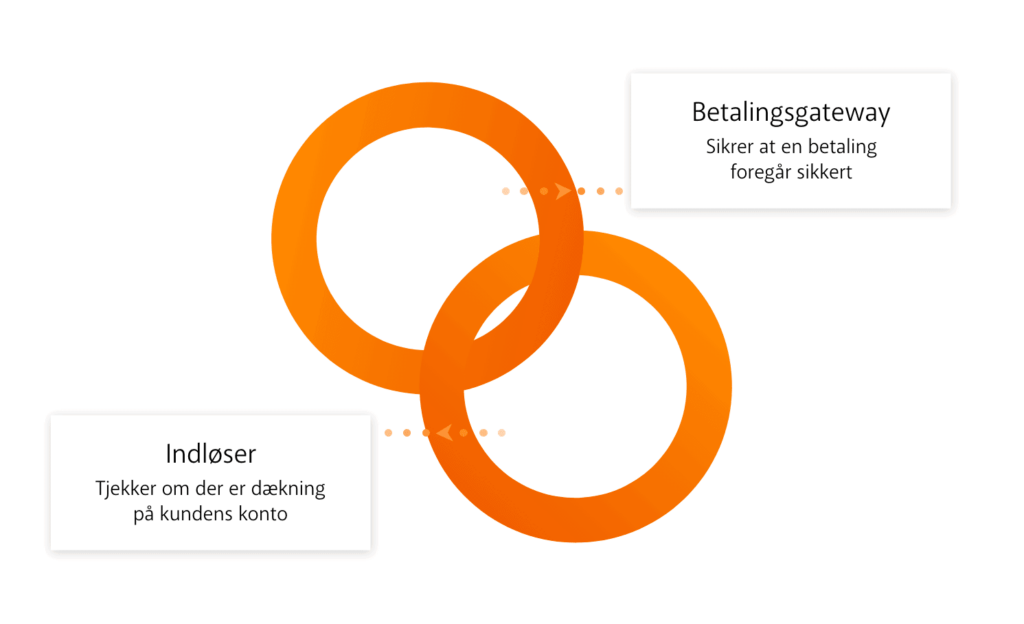
You should consider what service you would like to offer your customers on your website. Do you want your customers to be able to buy your product directly on your website? Then you need to select a payment system from the various providers and connect it to your website.