


Digitalization
10. January 2022
What is B2B?
B2B is an abbreviation for “Business-to-business” and refers to a company that trades with other companies, as opposed to B2C (Business-to-consumer), where you trade directly with the consumer.
The term B2B is most often used in sales and marketing contexts, where the fact that it is a B2B company plays a significant role in determining which strategy to deploy.
The B2B market is characterised by many small niche markets, where the number of potential customers is low, but the value and potential of each customer is enormous, and where buying journeys are long.
This leads to long sales and marketing processes, where a lot of time is spent influencing and nurturing each individual prospect.
In B2C, it is most often about achieving volume rather than fighting hard for the few large customers.
What is B2B sales?
B2B sales means that you sell to businesses or professional customers.
B2B sales differs from B2C on a number of parameters:
- Long decision-making processes – A typical B2B sales process can take 3–18 months.
- Large budgets – Companies typically buy in larger quantities than the average consumer. This means the acquisition of a single customer. This means you should be willing to dedicate more resources to customer acquisition in B2B sales.
- High technical requirements – Needs in B2B contexts are often unique, and therefore unique requirements are placed on the solution. For example, the solution may need to work with existing machines/systems/processes, or it may relate to the customer being able to maintain the solution themselves, etc.
Therefore, any self-respecting B2B sale starts with a clarification phase or the preparation of a requirements specification. - Tailored solutions – Because purchases are larger and the technical specifications required of the solution are higher, many B2B customers require a certain degree of flexibility in terms of unique customisation options for the chosen solution. In B2B, there is rarely a “one size fits all”.
- Complex agreements – Large customised orders with very specific technical requirements lead to complex agreements. In B2B contexts, there must also be clear agreements regarding responsibility, additional costs, service levels, and much more. These can take a long time to negotiate.
- Many different stakeholders – Before a decision is made, there are often many different stakeholders who need to agree. We need to involve decision-makers, influencers, and end users of the solution. This complicates the sales process.

B2B marketing
Most B2B companies appeal only to a niche, so “mass marketing” is simply no longer an option or at the very least, it is not effective.
That is, of course, why you rarely see TV commercials for B2B products; there are simply more effective ways to reach your target audience.
There are 3 factors you should define your B2B marketing strategy by:
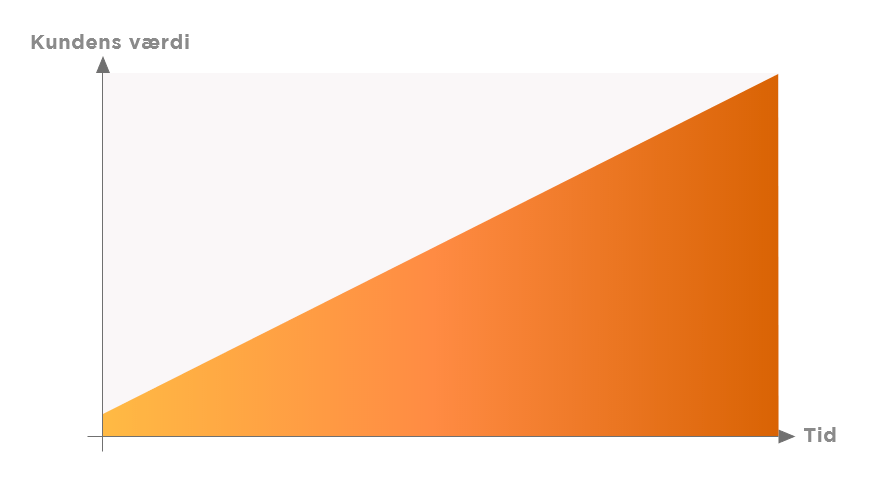
- A B2B customer is potentially worth 10–1,000x more than a B2C customer
- B2B customers’ decision-making processes are very long (often half a year to a full year).
- The target audience is very narrow, and it is difficult to know when they are ready to buy.
B2B marketing objectives
We have now established that B2B sales and marketing is complex. Therefore, your B2B marketing strategies should not be one-dimensional. Instead, a B2B marketing strategy should have 3 verticals, focusing on very different KPIs.
The 3 verticals:
- Lead acquisition – Focus on harder KPIs, where my favourites are the number of MQLs and SQLs.
- Branding initiatives – Here you use softer KPIs such as the number of followers, engagement, views, brand searches, and website traffic.
- Lead qualification – Here you should focus exclusively on the conversion rate from lead to customer and the value of an average customer.
When you use these three verticals, you evaluate your marketing efforts in both the short and long term, while also assessing the quality of the output from these efforts.
The most common mistake companies make is focusing solely on lead acquisition, without considering the other two.
Try these examples on for size:
- The sales department disagrees that leads are coming through.
- Salespeople think the quality of prospects is poor.
- Your leads are not far along in their decision-making process.
- Your leads require an enormous amount of work from sales before they turn into sales.
- The sales department does not feel that marketing is strengthening their position.
- You are not experiencing potential customers reaching out to you on their own.
If you can recognise yourself in any of the above, it is most likely because you have made the mistake of focusing solely on lead acquisition.
Lead acquisition
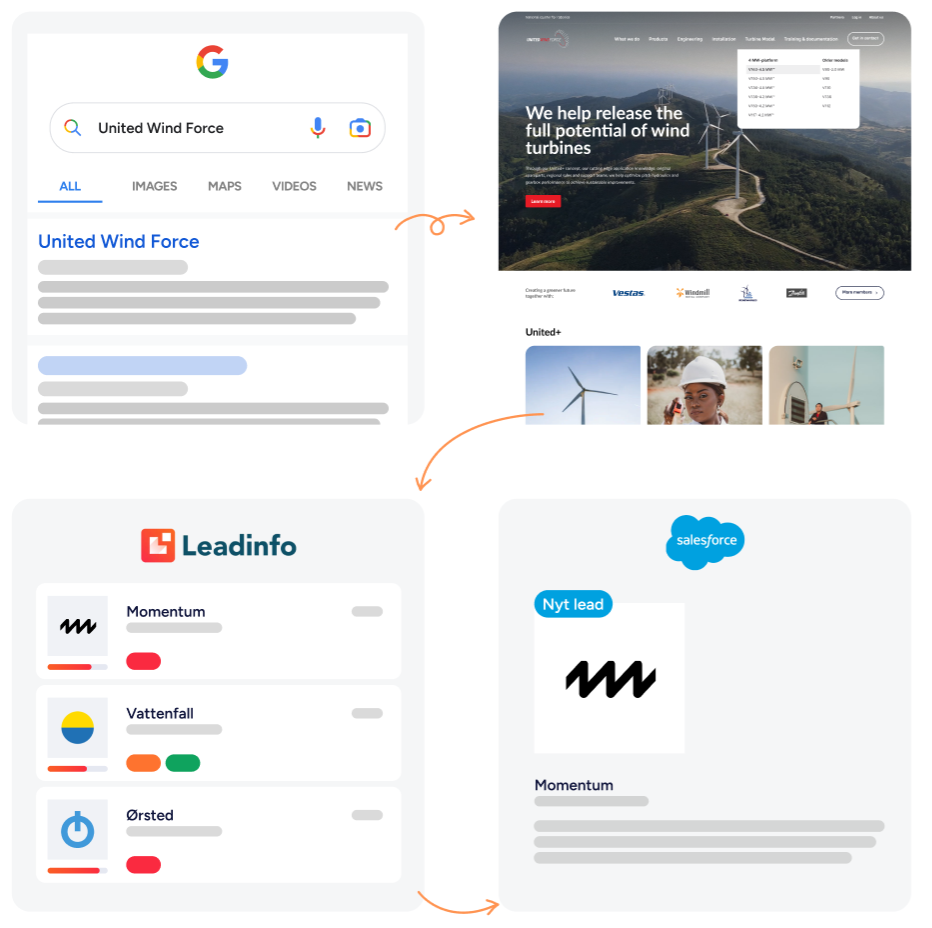
This vertical is about the initiatives you can launch to increase the number of potential prospects (leads). Whether it is initiatives to get more people to contact you, or initiatives to acquire more prospects that a sales department can reach out to.
But what do you do if you serve a niche company? Then there is a limited number of leads you can acquire, right? So how do you give your sales department enough to work with?
The answer is to introduce an MQL strategy.
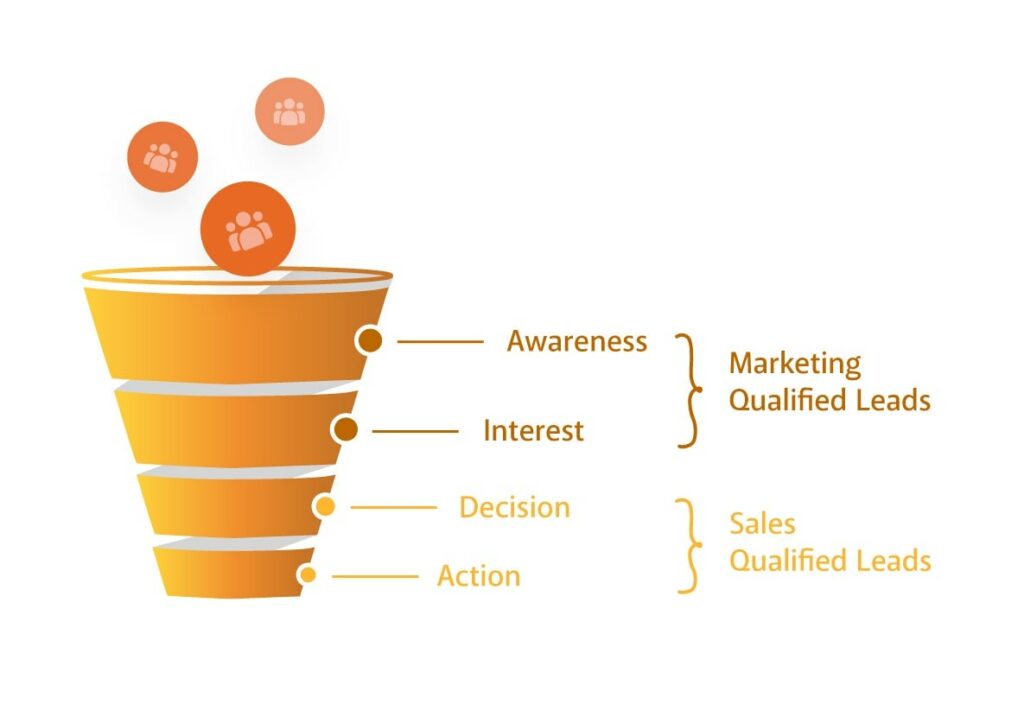
A Marketing Qualified Lead (MQL) is a lead you have captured early in their decision-making process. They are not ready to buy (Sales Qualified Lead), but they are ready to be guided in their decision by enriching them with information.
ALL self-respecting B2B companies should have a strategy or at the very least a plan for acquiring MQLs.
You can read more about what MQLs are in the blog post here, as well as the strategies behind acquiring them.
However, that is not what this post will focus on now.
Branding initiatives
With branding, you must force yourself to dare to think long term. You should not be generating leads today or tomorrow. Instead, you should create tailwinds for your sales and marketing efforts over time tailwinds that keep growing and growing.
A strong brand increases click-through rates on your ads, sharpens interest in your trade show booth, drives direct traffic to your website, and increases lead conversion rates because you come across as a familiar and therefore safe choice.
In other words, you need to put on your long-term glasses.
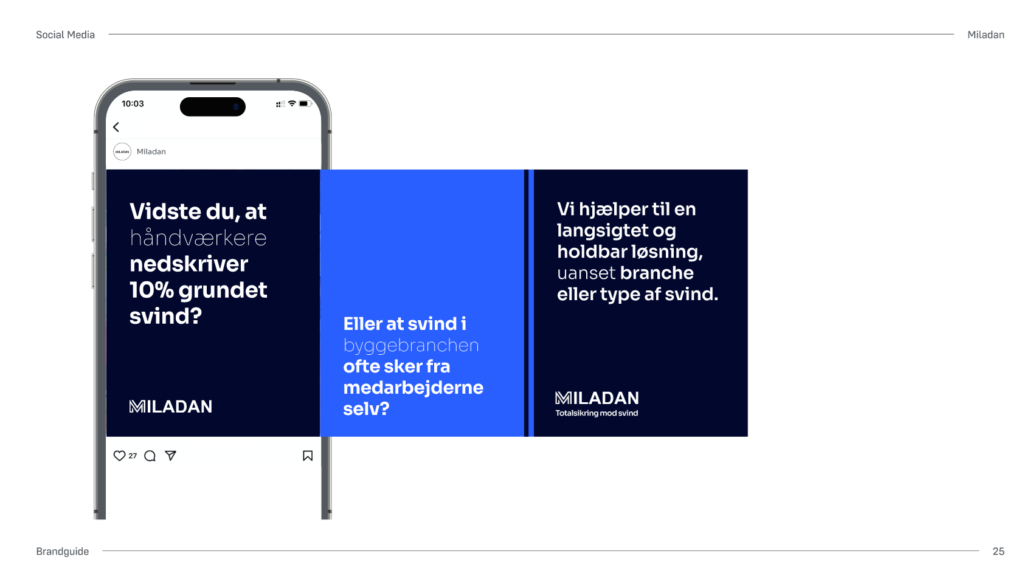
The difficult manoeuvre is that branding is hard to feel especially in the short term. So you need to find parameters that can be used as indicators that your brand has grown.
These indicators become your branding KPIs (the “I” in KPI stands for “indicator” 😉).
My favourites are:
- Brand searches
- Direct website traffic
- Followers on social media
- Video views (in %)
- Engagement on social media channels
You can measure and chase these indicators day by day, giving your branding initiatives an almost physical yardstick.
Remember that when you run branding initiatives, you should not sell your target audience a damn thing. You should tell them something about the company’s “why”.
- Why do you exist?
- What is the value that drives the work?
- What is the essence of the company?
And forget all about boring USPs like “reliable”, “quality”, and “transparency” (yaaaawn). You need to invite the target audience under the hood and tell them who you are and what you do.
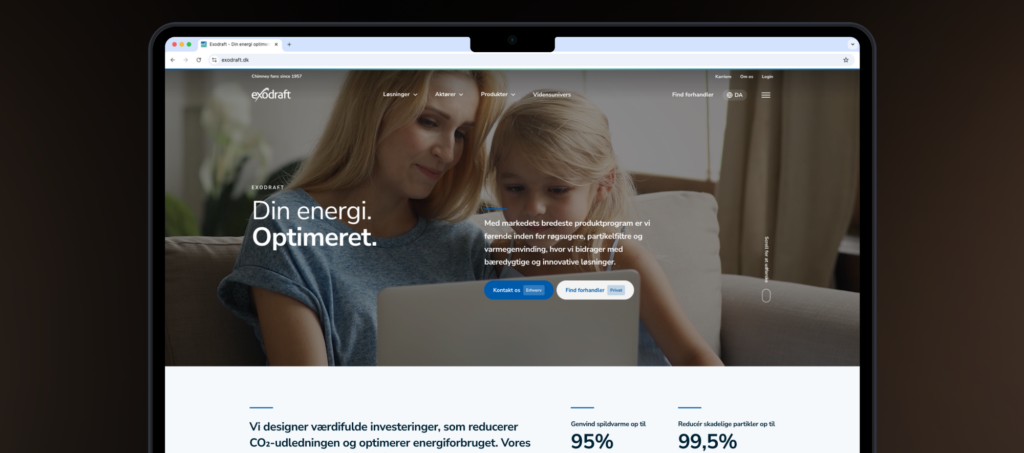
For example, the company Exodraft has adopted the tagline “Your energy. Optimised.” That is their promise. While we wait for the green transition, we optimise the energy we have now whether it is heat, electricity, or reducing energy costs in production.
NOTE: However, you should evaluate your KPIs once a quarter and assess whether they align with your brand’s effectiveness.
Lead qualification
The final vertical is the qualification of the leads you have collected. It is a combined effort of tracking where the relevant inbound leads come from so you can scale their occurrence, as well as nurturing your MQLs.
Increasing the occurrence of leads is about optimising your marketing efforts based on what performs and what does not.
The second part of the effort is about qualifying your MQLs so that, over time, they become SQLs. In other words, you qualify your potential prospects from being at the beginning of their decision-making process to being ready to talk to your salespeople.

So while one vertical is about hooking potential customers and turning them into an MQL, another vertical is about getting more of these MQLs to become SQLs over time. In this way, your marketing department has created prospects that the sales department can now work on.
That is marketing and sales tied together in a beautiful symbiosis.
Common tools for converting MQLs are:
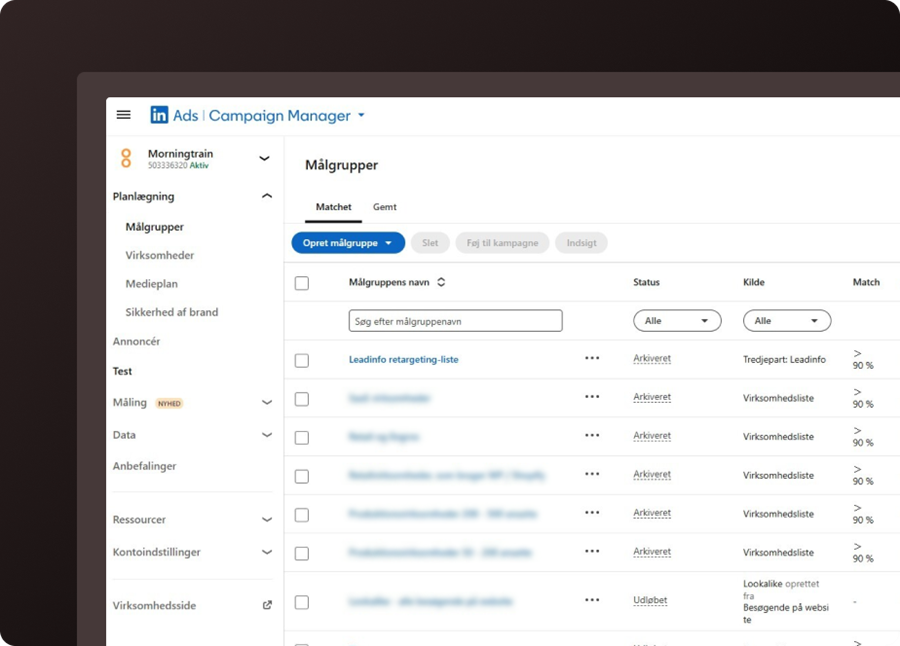
- Activating retargeting lists – Targeting social media campaigns at leads who have received a given email, visited specific URLs, and much more.
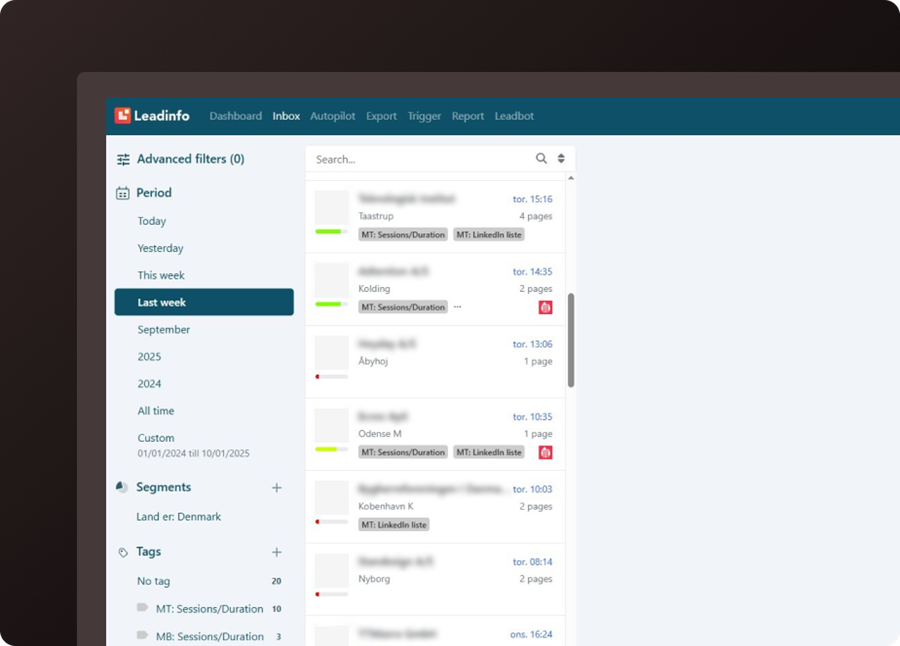
- Lead scoring – Depending on what content a lead has interacted with, they receive a score from 0–10. And when the lead reaches a given score (e.g., 8), the sales department can give them a call.
- Email automation – automated campaigns that send MQLs different content depending on which actions the lead has taken.
Scaling B2B happens in the long term
The most important metric for success in the B2B market is having a long-term perspective. If your KPIs are about hitting a sales target today and creating profitable solutions from day 1, then your business case is not scalable.
Growth costs money and time… there is no way around it.
But I have an effective growth hack.
The growth hack is about knowing your customers’ true Customer Lifetime Value (CLV). The more a customer is worth, the more justifiable it is to invest in acquiring more customers and whoever can afford to buy customers at the highest cost can also afford to buy the largest share of the market.

In B2B, you need to be careful about calculating a customer’s value based on their order on day 1 or even year 1. Instead, you should take a lesson from the SaaS industry and calculate what an average customer is worth over their entire average time as a customer.
If you would like to read more about the calculations behind CLV, I have already written a post about this previously.
The second part of the hack is to relax your qualitative metrics. That is, metrics such as:
- ROI
- ROAS
- POAS
- CPA
By relaxing these metrics, you reduce the profitability of each individual customer. In return, you increase the number of new customers you can afford to buy.
If the above does not make sense, and you work in a B2B company, then you MUST read the mathematics and logic behind this business model because I promise you: in the long term, it is more profitable to relax your qualitative metrics and instead focus on CLV. You can read the post here.