

Lead generation
4. July 2021
What is inbound marketing?
Inbound marketing is marketing that attracts the target audience by meeting their needs through high-quality content. In other words, it is everything you do that makes customers come to you, rather than you having to seek out customers yourself.
What is it?
Inbound marketing is, in short, all your marketing activities aimed at attracting customers/the target audience (pull marketing) rather than outbound marketing (push marketing), which is marketing we “push” into the consumer’s awareness and is often associated with advertising.
Which channels can you use to attract customers with inbound marketing?
Popular inbound marketing channels:
- Google Ads
- Organic content on social media
- Bing Ads
- SEO
In the past, it was not as easy for consumers (B2B as well as B2C) to do their own research. Today, you can find all the information you need with a single Google search, but back then our knowledge depended on what we were told through TV, print media, direct mail advertising, salespeople, and word of mouth.
That is why we were much more susceptible to push marketing than we are today, when we can easily stay informed via the internet. This also means that your lead has most often done their own research and is therefore far along in the buying decision even before they contact you.
But why is it that so many still go all-in on push marketing when customers buy in a completely different way today? Probably because it is the easy choice, where you can see the output in the short term. But the point is precisely that, in the long run, you get much further with a strong inbound marketing strategy.
Branding is, among other things, about creating broad awareness among your target audience throughout the entire customer journey not just right before the moment of purchase. The truth is that the consumer will be far more likely to choose you and your company if they already know you and have built credibility and trust in you and your product. This is where inbound marketing comes into play, ensuring that you are present already in the customer’s research phase.
What is the difference between inbound marketing vs. content marketing
Inbound marketing focuses on attracting new customers by, for example, targeting marketing to the target audience. Content marketing, on the other hand, focuses solely on the content for the various distribution channels used to reach the desired target audience.
Inbound marketing and content marketing are therefore undeniably connected. Content marketing is the most important tool in your overall inbound marketing strategy. In other words, it is about providing value to your target audience and existing customers by producing high-quality content that informs and educates your target audience.
Content marketing is an excellent tool for creating a pull effect early in the research phase, as well as after you have already won the customer, to encourage them to buy more. In addition, there is, of course, always a desire to turn your customer into a loyal ambassador.
Inbound marketing is therefore the overarching strategy with all activities that create attraction, as well as the plan for how you turn your valuable content into qualified leads.
How does an inbound marketing strategy work?
Inbound marketing is a strategy that leverages many forms of pull marketing to gain a place in the consumer’s awareness. This can include, among other things, content marketing, social media, search engine optimization, social media, and many more.
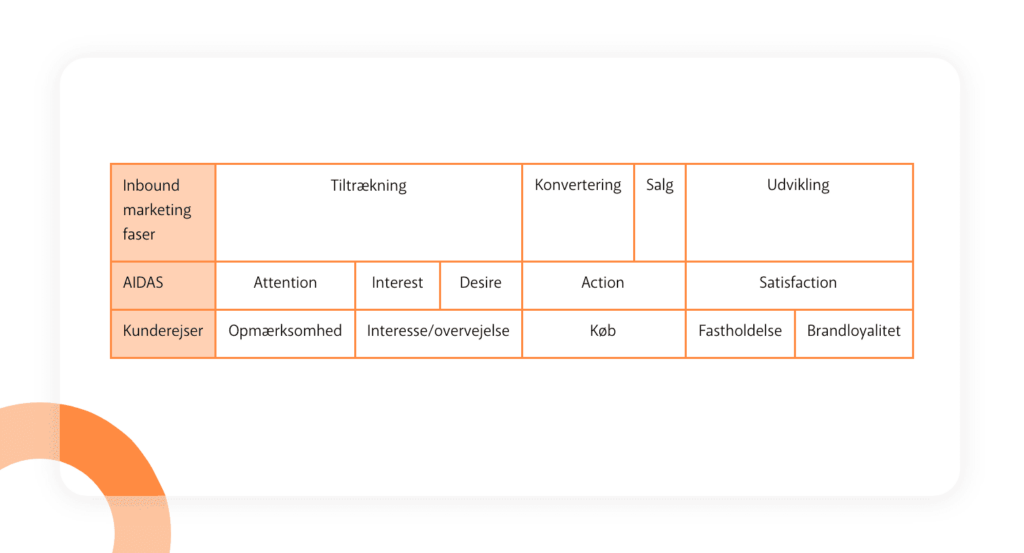
An inbound marketing strategy will be structured around 4 phases, which overall closely resemble the AIDA(S) model and the classic customer journey.
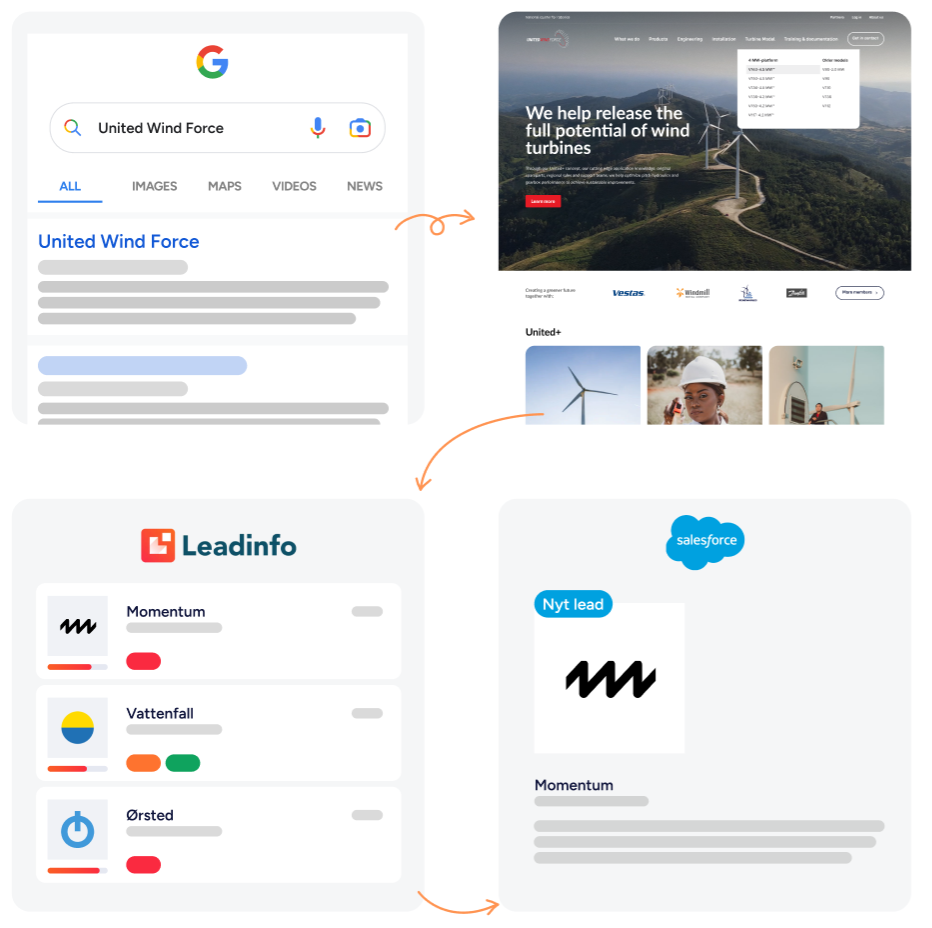
Essentially, these models are about taking a consumer on a journey from the first touchpoint to a new customer, and then retaining and developing the customer to create brand loyalty and a new ambassador for your business. Below, we have tried to illustrate this so it makes more sense:
The attraction phase
Before you can start generating leads and selling, you first need to draw visitors to your website. The marketing activities in this phase ensure that you attract visitors to your website and make users want to come back again and again.
This can include creating relevant and valuable content, including video, ads, and other forms of interaction with the target audience on social media.
In addition, you can work on optimizing your website, as it plays a central role in users’ perception of your brand. This can include both usability optimization as well as conversion rate optimization and search engine optimization to attract and maintain interest.
The engagement phase
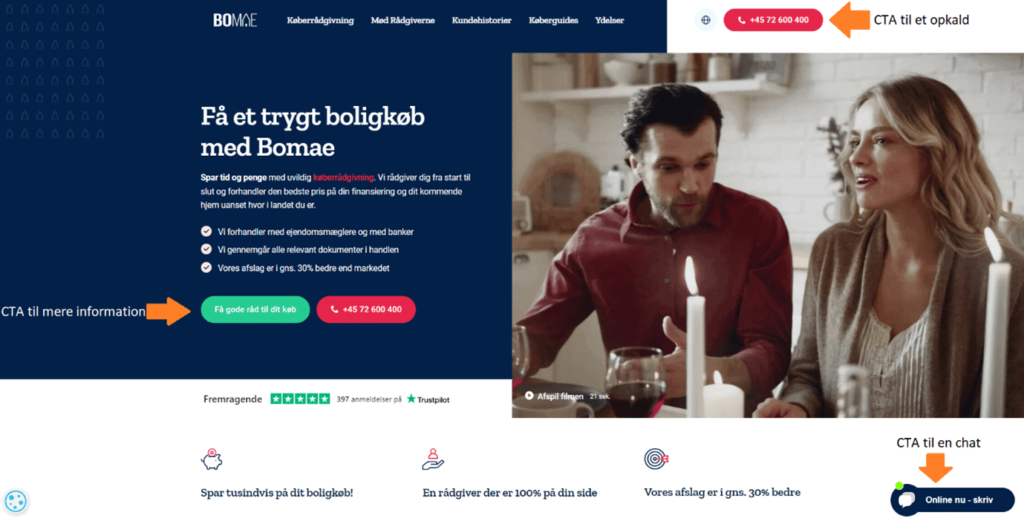
In the engagement phase, you work to build a relationship with your potential customers through, for example, encouraging dialogue and via lead flows. It is also in this phase that you need to convert your visitors into leads with clear calls to action to obtain potential customers’ information.
The better you know your leads, the better you can tailor your lead and email flow to move your potential customers further down the sales funnel and ultimately convert them into a sale.
The development phase
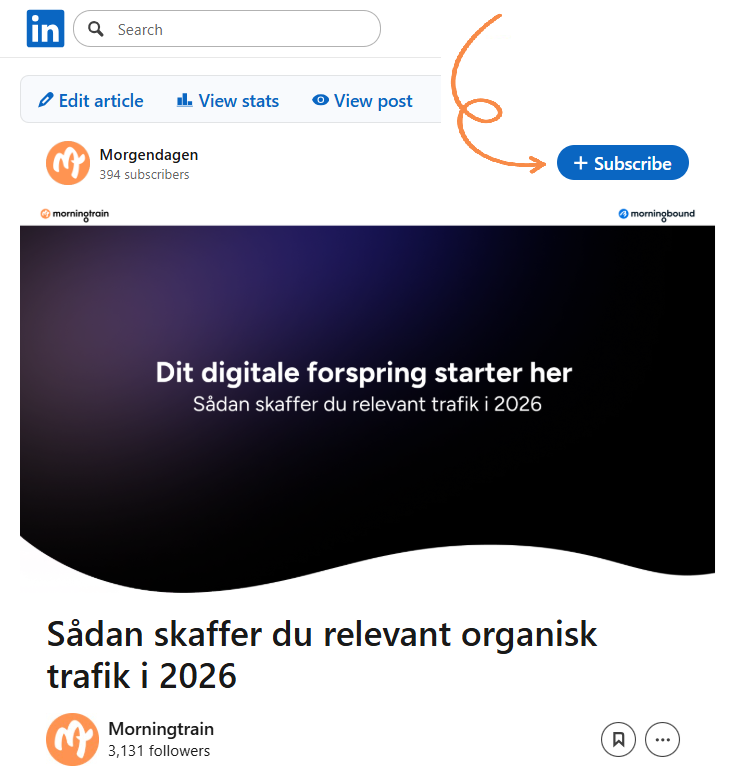
In the development phase, you work to retain and nurture your customers in order to build customer loyalty, so that your customers ultimately become your ambassadors who refer to your content and recommend you as a provider.
This process attracts new potential customers, after which the snowball effect begins with new leads, customers, and ambassadors.
Attribution and lead generation with inbound marketing
Assigning value across your marketing activities is not as easy as many would like to make it. You already know that your potential customers have done a large part of their research—and therefore a large part of the buying decision—before they even reach out to you.
Hopefully, you have contributed significantly by providing the customer with all the necessary information in their research phase, so you increase the conversion rate when it comes to the marketing that moves the user the final step from lead to customer.
But how do you measure all these touchpoints and assign each of them value for the new sale?
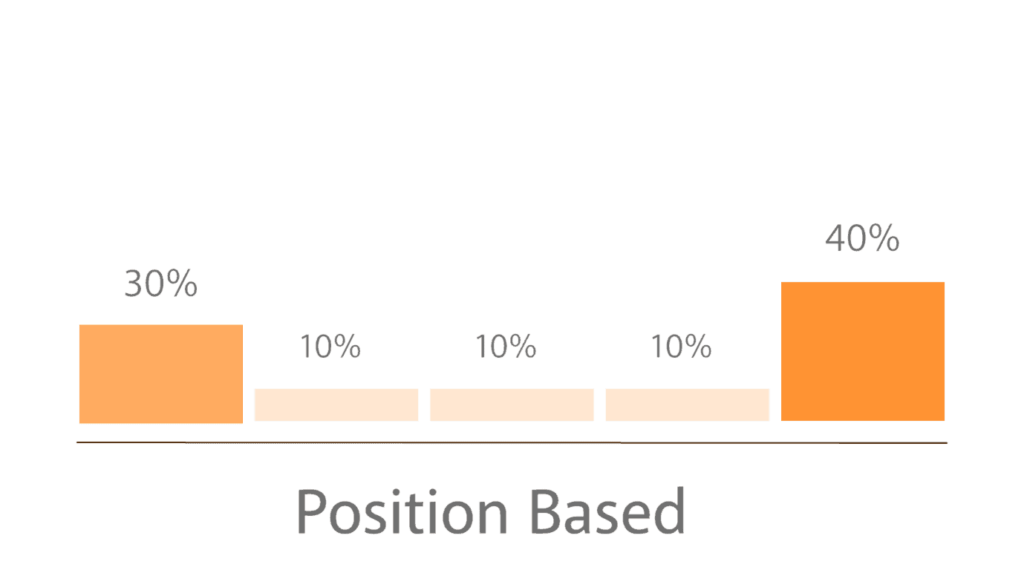
Well, you see… Far too many marketers assign too much value to individual channels and campaigns, such as email marketing. Email marketing is an excellent tool for creating engagement, maintaining interest, and converting leads into customers. But before they ever got on your mailing list, they have almost certainly visited your website more than once and read a lot of your high-quality content. In other words, we cannot attribute all the value of an order to email marketing in this example.
In Google Analytics, you can find a report on conversion paths to better understand the customer journey and assign value to your different marketing activities. You will typically also find that your activities should not stand alone if you want maximum results.
Conclusion
There are therefore many steps before inbound marketing achieves the desired effect, but it is nonetheless a widely used and effective method for carrying out marketing activities. To make it more manageable, we will provide a brief summary at the end of the most important points:
- Inbound marketing is all your marketing activities aimed at attracting the target audience.
- Inbound marketing and content marketing are undeniably connected.
- Content marketing is, in fact, the most important tool in your overall inbound marketing strategy.
- An inbound marketing strategy will be structured around 3 phases, which resemble the AIDA(S) model and the classic customer journey.